The Vatican-Anthropic stage was the real announcement
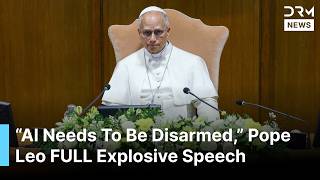
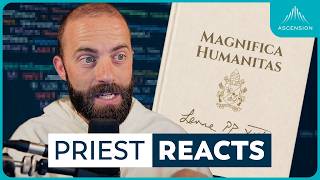
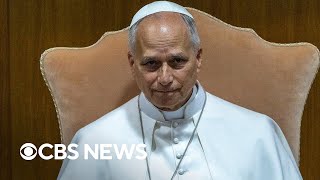
The most consequential thing about Magnifica Humanitas may not be the text itself but who stood next to the Pope when it was released. Past popes have handed encyclical rollouts to cardinals; Leo XIV instead personally presented the 245-paragraph document at the Aula Nuova del Sinodo alongside Chris Olah, the 33-year-old atheist co-founder of Anthropic [1][2]. The Washington Post framed the moment bluntly as Anthropic 'aligning with the Vatican over the White House' on AI ethics [3]— a public realignment that no other frontier lab has matched.
Olah's own remarks made the asymmetry explicit. He conceded that 'every frontier AI lab — including Anthropic — operates inside a set of incentives and constraints that can sometimes conflict with doing the right thing' and argued the industry needs 'moral voices that the incentives cannot bend' [4]. That is a rare on-record admission from a leading lab co-founder that internal alignment work is structurally insufficient, delivered not at NeurIPS or a Senate hearing but at a Catholic institutional venue. The encyclical itself reinforces the point by warning that AI's main drivers are 'private, often transnational, parties endowed with resources … that surpass those of many Governments' [5].
The symbolism cuts in two directions. For Anthropic, the Vatican is a counter-stage to Washington — useful precisely because it cannot be lobbied or sanctioned away. For Leo XIV, having a frontier lab onstage validates the encyclical's claim to be a working document for industry rather than a sectarian text. Contrarian threads in mainstream subreddits read the Vatican-Anthropic proximity less generously, suggesting the document is shaped by recent Silicon Valley meetings at the Holy See; defenders point out that an encyclical demanding tighter guardrails is a strange piece of corporate lobbying.