Two Bets on Scaling Agent Work: Brute-Force Parallelism vs Plan-First Verification
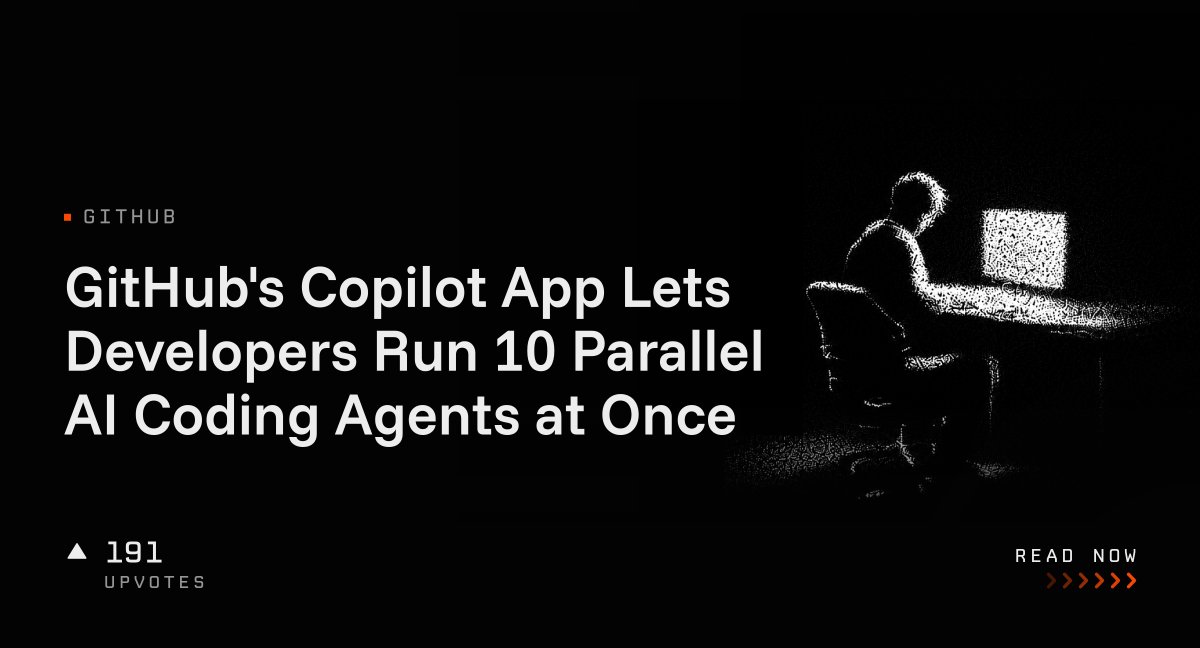
GitHub's Copilot desktop app, made generally available at Microsoft Build 2026, treats scaling as a concurrency problem: run up to 10 agent sessions against the same repository at once, each isolated inside its own git worktree so they cannot step on each other's changes [1]. The app functions as a control center with shared 'Canvases' - surfaces that display a plan, a pull request, a browser session, a terminal, or a deployment dashboard - plus a feature called Agent Merge that follows a pull request through CI checks and required reviewers, aiming to cover the full issue-to-merge lifecycle from a single interface [1].
Google's Antigravity starts from the opposite assumption: the constraint isn't how many agents you can run, it's how much you can trust what a single agent produces. The original public preview let agents plan, execute, and verify tasks across editor, terminal, and browser, generating 'Artifacts' - task lists, implementation plans, screenshots, browser recordings - specifically so the work could be checked [2]. Antigravity 2.0, launched at Google I/O 2026, pushed that logic further by unbundling the product into four separate surfaces - a standalone Agent Manager for orchestration, a CLI for server-side work, an SDK for custom workflows, and a dedicated IDE - on the reasoning that orchestration, coding, and headless automation are different jobs that deserve different tools rather than one editor trying to do everything [3]. Read together, Copilot scales agents horizontally (more of them, running at once) while Antigravity scales them vertically (more structure and verification around each one) - two different answers to how teams actually adopt agentic coding at scale.