Why This Is No Longer Just NIMBYism
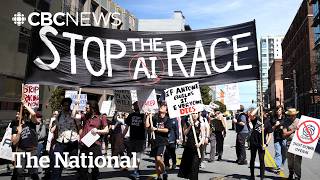
On July 18, 2026, opponents staged 142 protests across 42 states - Texas led with 18 events, Georgia 11, and California 8 [1]- marking the first nationwide, coordinated day of action against AI data center construction. The mobilization was organized by HumansFirst, a coalition co-founded by Amy Kremer, a former Tea Party and Women for Trump organizer who also helped plan the January 6 rally, and it has since pulled in MAGA-aligned figures such as Marjorie Taylor Greene and Steve Bannon [2]. That the same movement counts progressive environmental groups and Tea Party veterans among its organizers is the clearest signal that this is not conventional partisan NIMBYism. Rachel Mural, a Senior Research Associate at Harvard Kennedy School, argues the backlash reflects 'a complex story of community needs, political tensions and corporate power' rather than simple resistance to change [3]. Polling backs the breadth of the sentiment: a Gallup poll found 71 percent of voters, including 63 percent of Republicans and 75 percent of Democrats, do not want a data center built in their area [4], while a Reuters/Ipsos poll from June 2026 found just 33 percent approve of the current pace of construction and only 14 percent would support one in their own community [1]. A Quinnipiac poll adds a pocketbook dimension, finding 65 percent overall opposition, with 72 percent citing rising electricity costs, 64 percent citing water use, and 41 percent citing noise as their central objections, while Morgan Stanley analysts have estimated that nearby utility bills could climb as much as 267 percent as data centers strain local grids. Independent counts of the July 18 mobilization put the number of protest locations as high as 125, and even within the coalition the argument is not uniform: discussing the wave of local bans on Theo Von's podcast, environmental activist Erin Brockovich's remarks were characterized as warning that pausing America's data center buildout risks handing China one of its biggest strategic gifts in the AI race, underscoring that sympathizers to the underlying grievances disagree sharply on the right response.