Filling the Gap: How the Fitbit Edge Completes Google's Three-Tier Wearable Ladder
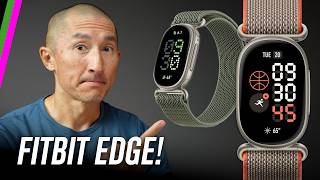
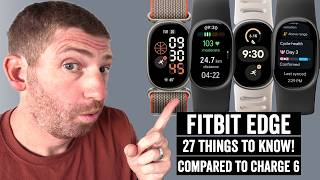
Google used October 12, 2026 to complete a wearable lineup it has been building since the screenless Fitbit Air launched: the new Fitbit Edge slots in as a $179.99 tracker, with preorders opening the same day and shipping October 27 [1]. Positioned between Air and the Pixel Watch, Edge gets a first-for-Fitbit replaceable battery, a GPS chipset with 40% better outdoor accuracy, an altimeter, a skin-temperature sensor, and Health Guardian carried over from the Pixel Watch line [2]. Early reviews flagged sleep-stage detection as 15% more accurate than prior Fitbit generations, with a full day of charge available in five minutes and a full charge in roughly 90 minutes [3]. Google is backing the launch with a marketing layer rarely seen outside flagship phone launches: NBA star Stephen Curry becomes Google Health's 'Performance Advisor,' testing the Gemini-powered Health Coach with his own biometric data and getting a namesake $219.99 Fitbit Edge Special Edition, alongside a roster of other athletes and creators [4]. On social platforms, the reaction to the hardware itself skewed genuinely enthusiastic, with official launch posts and hands-on first-look videos drawing strong engagement on launch day and commentary specifically praising how Edge finally gives Google a coherent Air-to-Edge-to-Pixel-Watch tier structure.