The Nuclear Math That Made France Inevitable
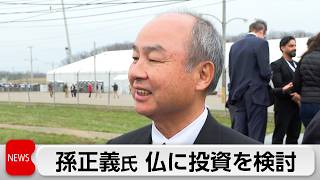
Strip the diplomacy away and the France decision reduces to one variable: who can deliver multi-gigawatt blocks of low-carbon, sovereign electricity on a credible schedule. Masayoshi Son said the quiet part out loud when he flagged France's status as a producer and exporter of energy as 'absolutely decisive for investments in AI infrastructure' [4]. That single sentence reframes the European AI siting debate: most of the continent is rationing grid connections, while France exports power.
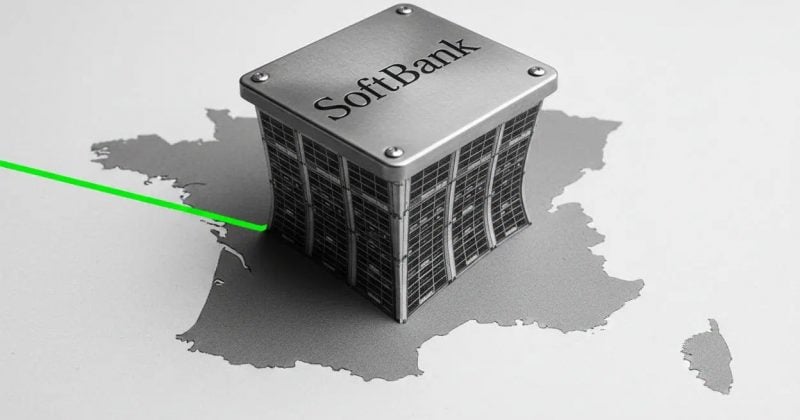
EDF's contribution makes this concrete rather than rhetorical. The utility is handing one of its former power plants in Bouchain to SoftBank for conversion into a data center [3], compressing what is normally the slowest part of any hyperscale project — securing grid interconnect and industrial land — into a single transfer. EDF CEO Bernard Fontana framed it as proof of France's ability to host large-scale digital infrastructure 'supported by competitive, sovereign and low-carbon electricity' [1]. The subtext is that France is no longer trying to win on tax incentives or talent density; it is winning on physics. Power is the binding constraint on every training cluster planned for 2027 onward, and France has it as a derivative of decisions made decades ago.