The Charm Offensive: Meta's Race to Wear the Agent
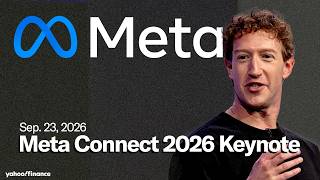
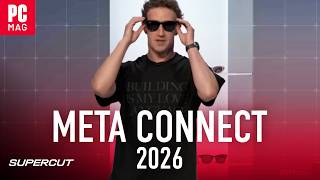
Mark Zuckerberg saved Muse Charm, a keychain-sized pendant with a fingerprint sensor and a small display, as the closing 'one more thing' of the Connect 2026 keynote [2], letting people talk to their Muse AI agent without unlocking a phone or opening an app [1]. The framing from CNBC was explicit: Meta is trying to reach the consumer AI device market before OpenAI does [1], and Muse Charm arrives alongside a full hardware refresh, including Ray-Ban Meta Gen 3 and $1,299 tethered VR glasses unveiled the same week [12]. Muse itself runs on Meta Superintelligence Labs' new Realtime Avatar embodiment tech, animating the agent in sync with voice in under a second [11]. Underneath the showmanship is a monetization bet: Zuckerberg said Muse will stay free for a large token allowance now, expecting profit later from shopping and commerce flowing through the agent, and predicted it will 'grow into the personal superintelligence' [3]. The numbers so far back the bet: Muse topped the US App Store within ten days of its September 8 launch, outpacing ChatGPT's 2023 download debut [4], and by September 25 had crossed an estimated 3.4 million downloads with daily active users up 27% the week after Connect [5]. Wall Street responded in kind, with Meta shares climbing and JPMorgan, KeyBanc, and Evercore ISI all raising price targets on the view that Muse-driven hardware, not just Reels or ads, could be Meta's next growth engine [6]. On X, the reaction leaned into full hype mode, with posts calling Muse Charm potentially Meta's best product in a decade and framing the whole Connect lineup as proof Meta is back.