A Decade Late to the Smart Display Race, Betting the Replacement Cycle Just Reopened
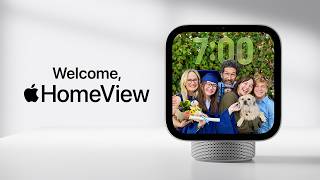
HomeView lands in a category Amazon and Google effectively invented. Amazon's Echo Show shipped in 2017 and Google's first Nest Hub followed in 2018, which means Apple is entering roughly eight to nine years after the category's pioneers [6]. Yahoo Tech's Valentina Palladino makes the timing problem explicit, arguing the device "feels a bit stale" for 2026 and that Apple "may have a hard time convincing people to add yet another iPad-like screen to their homes, particularly one that emphasizes Siri" [6]. That skepticism is less about build quality - which reviewers generally praised - and more about whether a decade-old form factor, however polished, still moves anyone who hasn't already decided they want a screen in the kitchen.
The counter-argument, from Counterpoint's Mohit Agrawal, reframes the lateness as opportunity rather than liability: most smart speakers and hubs already in homes are "low-cost devices that can't run AI at the edge," and because Amazon and Google have "only just begun refreshing their hardware for Alexa+ and Gemini," the entire category's upgrade cycle is wide open rather than closed to a new entrant [5]. PP Foresight's Paolo Pescatore sits between the two camps, insisting Apple still has to prove Siri AI delivers "meaningful benefits beyond basic voice commands" rather than simply riding Apple's hardware reputation into a crowded shelf [5]. TechRadar's hands-on take leans toward the optimistic read, describing HomeView's industrial design favorably enough to suggest it "could make the Echo Show irrelevant" [7]- a reminder that being late to a category is not the same as being unable to win it, if the hardware and AI genuinely outclass what's already installed in people's homes.