A 'Morally Binding' Pact With No Enforcement Mechanism
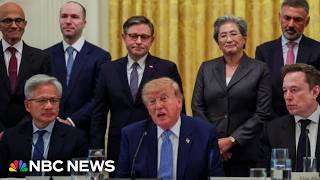
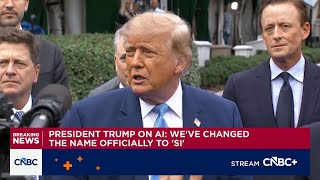
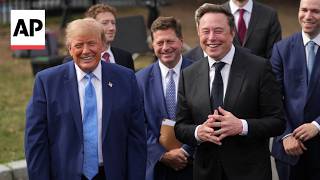
On September 29, 2026, Trump and six AI/chip CEOs - Musk, Huang, Amodei, Pichai, Zuckerberg, and Brockman - signed the 'White House Accord on Super Intelligence: Joint Commitment on Frontier Responsibilities' [1]. The document lays out four layers of control: internal monitoring for cyber/bio/chemical risks, an internal oversight team, independent external auditors, and a board-level oversight committee [2]. But the accord is voluntary, creates no penalties for noncompliance, requires no public disclosure of audit results, sets no deadlines, and gives the government no enforcement role [2]. Its own language says companies 'should implement' the controls rather than 'must,' making compliance entirely discretionary [3]. Trump nonetheless called it 'a tremendous self-policing aspect' and insisted it was 'morally binding' [2]- a phrase that drew immediate mockery on Reddit, where commenters compared it to tobacco-industry and LIBOR self-regulation failures. The contrast with the government's other track is stark: the same week, the FTC opened a probe into OpenAI, Anthropic, and the nonprofit safety lab METR, reportedly drafting civil investigative demands over AI-agent risks to consumers [4]. Actual regulatory teeth are emerging in parallel to - not from - the celebratory signing ceremony.