The architectural bet: a cloud VM that never sleeps
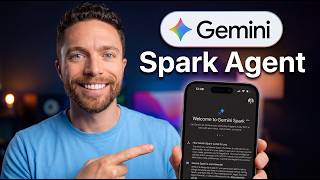
Spark's headline architectural choice is that every user gets a dedicated Google Cloud VM running 24/7, executing tasks even when the user's device is closed [1]. This is a deliberate divergence from OpenAI's ChatGPT Atlas, which operates inside a local browser, and from Anthropic's Claude Cowork, which positions itself as a session-bound collaborator [2]. The trade-off is concrete: Spark can monitor inboxes, draft status updates, and execute multi-step workflows on its own schedule — but it must persistently store user credentials and session state in the cloud to do so [3]. Reviewers explicitly call that storage layer 'a real attack surface if Google's session storage is ever compromised' [3]. The cloud-VM model also explains a counterintuitive shipping decision: local file access on Mac is deferred to a separate summer-2026 app, because the cloud VM is the canonical execution environment and the local device is an interface to it [4]. Architecturally, Spark is closer to a personal microservice with login state than to a chat assistant — and that is what makes it different from every prior consumer AI launch.