The Reversal Clock: Why the Jobs-Apocalypse Walkback Lands Exactly Now
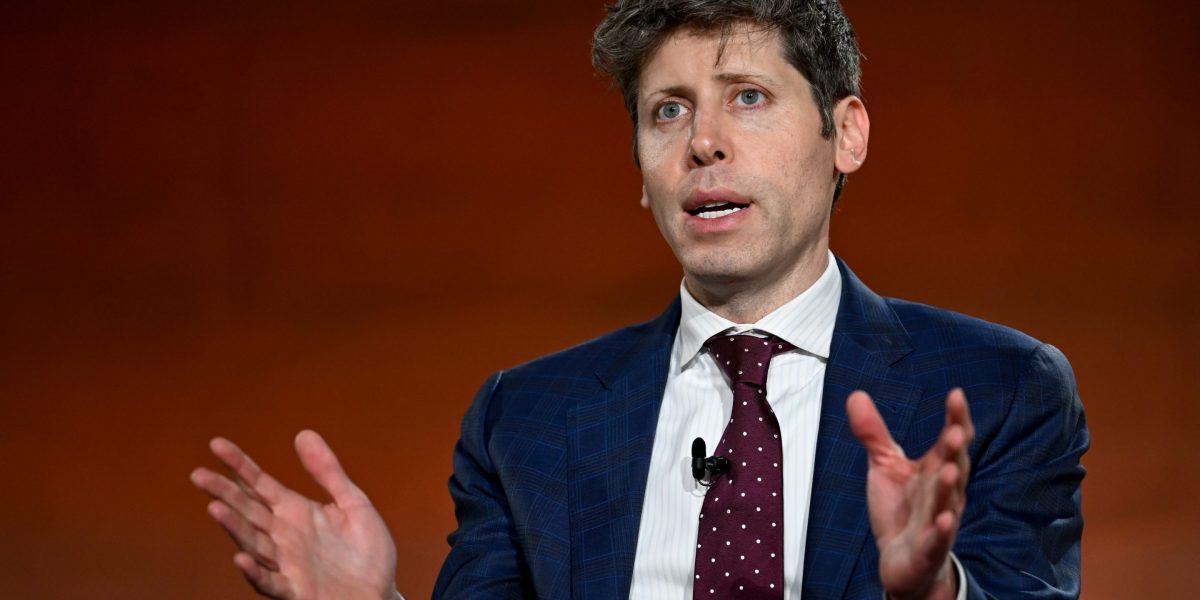
Sam Altman warned in June 2025 that entry-level white-collar roles faced serious risk of elimination; eleven months later, with OpenAI preparing to file a confidential S-1 and target a September 2026 listing, he told Fortune he was 'delighted to be wrong about this' [1]. Dario Amodei has run the same play in compressed time: he previously warned that AI could wipe out 50% of white-collar jobs, then pivoted to a productivity-multiplier framing where 'if you automate 90% of the job, then everyone does the 10% of the job' [1]. The reframing arrived inside the same fundraising arc that took Anthropic from a $183B post-money valuation in September 2025 to $380B in February 2026 to $965B in May 2026 [2][3][4].
The optics are the story. Both CEOs spent two years building credibility by sounding alarms; that posture is useful when courting policy attention and ratcheting valuations, but it becomes a liability the moment retail investors are about to read an S-1 that has to defend ~28x forward revenue [5]. Tech layoffs have already crossed 115,000 through May 2026, on pace to exceed all of 2025's 124,000 [1]. A founder narrative that AI is gutting the labor market is not the narrative you want underneath an IPO roadshow that needs sovereign wealth funds and pension allocators to buy the productivity story. The walkback is consistent with both empirical caution and with bank-syndicate prep — and it is functionally impossible to separate them.