An overnight phone tree killed an Oval Office signing
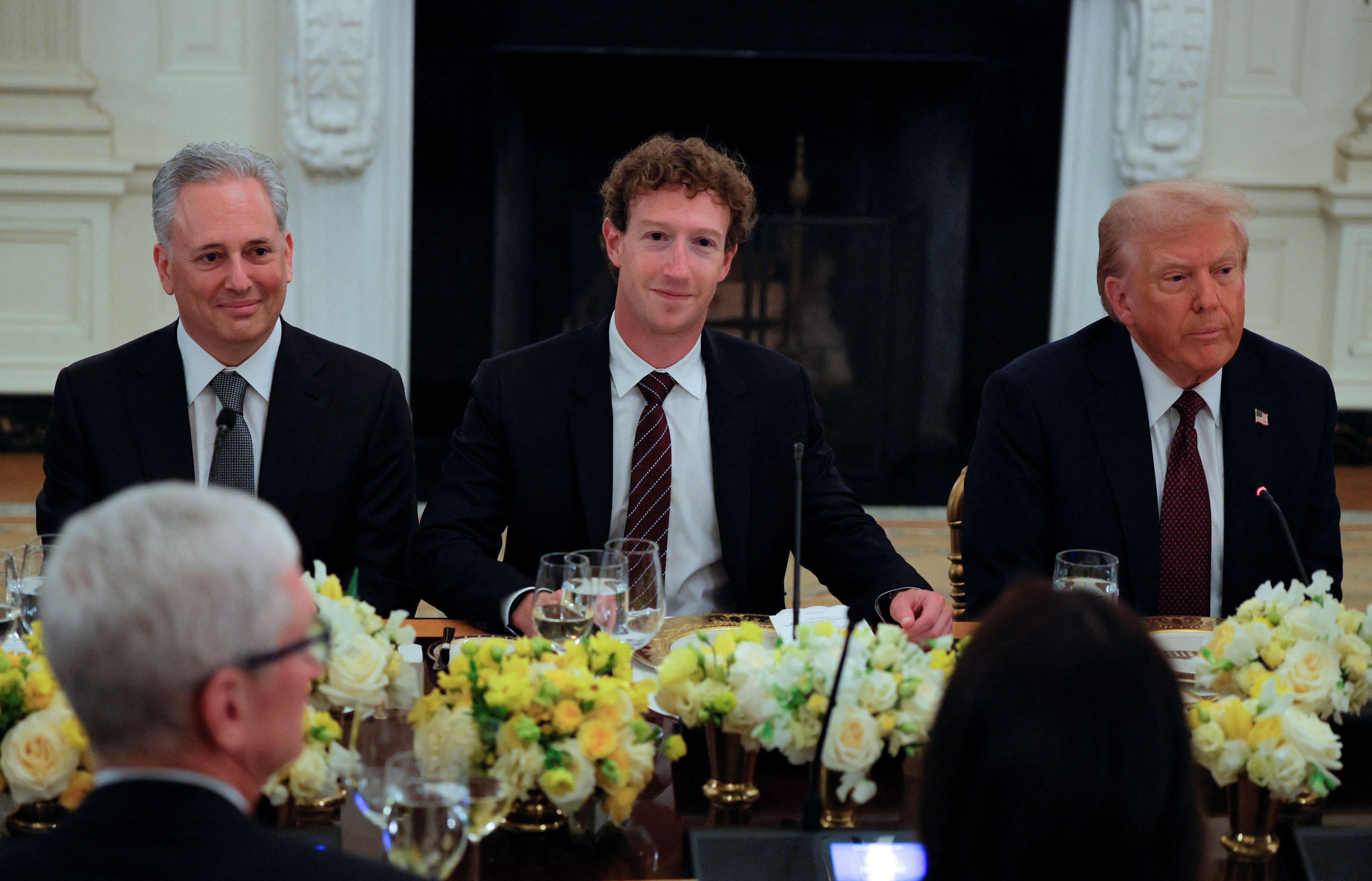
The mechanics of how this order died matter as much as the policy itself. According to reporting reconstructing the final 24 hours, David Sacks — the venture capitalist who stepped down as Trump's AI and crypto czar in late March 2026 but kept the West Wing on speed dial — mounted the last-ditch lobbying effort, framing the proposed voluntary regime as a de facto licensing system in disguise [1]. Sacks's argument was joined by Mark Zuckerberg, who called Trump between Wednesday night and Thursday morning to argue the safety vetting system could inhibit development, and by Elon Musk, whose xAI would have been directly subject to the proposed 14-to-90-day pre-release review window [2].
Hours before the scheduled Oval Office signing, Trump pulled the order. His own explanation was deliberately narrow — 'I didn't like certain aspects of it. I postponed it' [3]— but the broader rationale he offered was the China frame: he told reporters the order 'gets in the way of' the U.S. lead over China and that he didn't want to do anything to slow that lead [4].
The lesson for future AI policy fights is uncomfortable: a coordinated phone tree from three founder-CEOs, executed inside a 12-hour window, was sufficient to override a fully drafted executive order whose signing was already scheduled. That's not normal interest-group politics; that's a veto.