Big Five Publishers' Undisclosed AI Use
TECH

Big Five Publishers' Undisclosed AI Use

25+
Signals

Strategic Overview

  • 01.
    Workers at three of the five biggest US publishers - HarperCollins, Simon & Schuster, and Hachette - say chatbots now draft publicity copy, cover art, marketing videos, and emails to literary agents, mostly without public disclosure or author consent.
  • 02.
    HarperCollins bought Claude licenses from Anthropic and designated dozens of staff as 'AI Champions' to find AI use cases in monthly brainstorming sessions, while also paying for ChatGPT and the marketing platform Jasper; its legal team told editors no when asked about pasting full manuscripts into AI tools.
  • 03.
    Simon & Schuster had OpenAI representatives run a staff workshop suggesting ChatGPT for composing emails to literary agents, ran an internal contest with a $10,000 top prize for AI use cases, and explored Skan AI's workflow-monitoring software, which employees are now petitioning against.
  • 04.
    Hachette's official position is that it supports AI tools for internal operational purposes but not for creative uses.

Deep Analysis

Suing AI by Day, Using It by Night

The Big Five publishers, including HarperCollins, Simon & Schuster, and Hachette, are currently suing AI companies over alleged copyright infringement from training large language models on their books [1]. At the same time, internal sources describe those same publishers quietly routing cover art, publicity copy, and agent correspondence through AI tools, with none of the three disclosing to readers or authors which covers, blurbs, or pitches involved AI [2]. The contradiction is structural, not incidental: the industry's public posture treats AI training on books as theft, while its private production line treats the same technology as a labor-saving utility.
Three Publishers, Three Different AI Playbooks

HarperCollins, Simon & Schuster, and Hachette arrived at internal AI adoption through distinct paths. HarperCollins bought Claude licenses from Anthropic and designated dozens of staff as 'AI Champions' tasked with surfacing new use cases in monthly brainstorming sessions, while also paying for ChatGPT and the marketing platform Jasper; one division reportedly went 'all in,' including AI-generated marketing videos, even as its legal team told editors no when they asked about pasting full manuscripts into AI tools [2]. Simon & Schuster took a louder, more top-down route: OpenAI representatives ran an in-house workshop suggesting ChatGPT for composing emails to literary agents, and the publisher ran an internal contest with a $10,000 top prize for AI use cases before easing the push after employee complaints [3]. Hachette, by contrast, draws an official line, stating it supports AI tools for internal operational purposes but not for creative uses [4].

Layoffs, Workloads, and the Quiet Logic of Shortcuts

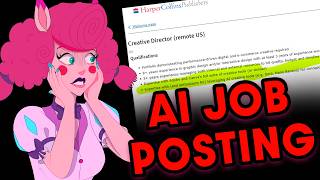
Employees across all three publishers describe the same underlying pressure: layoffs and cost-cutting have doubled or tripled individual workloads, making AI shortcuts hard to resist even for staff who find the practice distasteful [3]. Publishing commentator Kathleen Schmidt argues the industry's 'do more with less' culture is the real driver of internal AI adoption, calling the use of AI to generate publicity copy 'short-sighted' [4], while University of Texas Press publicist Joel Pinckney faulted leadership for adopting the tools out of competitive fear rather than strategy, saying 'the lack of any kind of vision from leadership beyond the logic of inevitability and the fear of being left behind is breathtaking' [5]. On Reddit, self-identified publishing employees described a split reality inside the buildings themselves - internal AI tools for meeting transcription and repetitive-task automation are embraced even as cover art remains an explicit red line, with legal approval required for AI-related questions and companies maintaining their own internal AI systems specifically to avoid uploading sensitive work to outside tools. On X, one author under contract described having to personally rewrite an 'LLM-garbled' back-cover description for her own book, adding pointedly that her publisher was happy to profit from AI licensing deals even while rolling the technology out quietly in-house. YouTube commentary pointed to a more public version of the same shift: a HarperCollins job listing for a Creative Director role explicitly required fluency with AI design tools, suggesting the quiet internal rollout is starting to surface in open recruiting as well.

Agents and the Authors Guild Build a Legal Firewall

The response has moved from grumbling to contract language. In April 2026, the Authors Guild issued a statement and introduced new model contract clauses barring publishers from uploading manuscripts or authors' personal data into consumer-facing AI systems without written permission, amid concerns that editors could do exactly that [6]. Literary agents followed with their own clauses stating flatly that 'this material can't be run through an LLM' [4]- language that, by its plain wording, also restrains the publishers themselves from feeding client work into their own in-house AI tools. Some agents have gone further, comparing rejection letters across different editors and spotting identical stock phrasing and sentence constructions that give away machine-generated prose [2]. Author Kelly Link said the controversy has already damaged relationships between writers and the publishers who represent them, a sign the trust cost may outlast any productivity gain [5].

Historical Context

2026-03
Greg Greeley, a former Amazon executive, became CEO of Simon & Schuster.
2026-04-16
The Authors Guild issued a statement and introduced new model contract clauses addressing consumer AI use in publishing, amid concerns that editors could upload manuscripts to consumer AI tools without author consent.
2026-05
The Big Five publishers filed a lawsuit against Meta over alleged copyright infringement from training its LLaMA AI models on their books.
2026-10-10
Wired published an investigative report, based on interviews with more than two dozen anonymous employees at HarperCollins, Hachette, and Simon & Schuster, revealing undisclosed internal AI use.

Power Map

Key Players
Subject

Big Five Publishers' Undisclosed AI Use

HA

HarperCollins

Big Five publisher that purchased Claude and ChatGPT licenses plus Jasper marketing software and appointed internal 'AI Champions'; its legal team blocked editors from uploading full manuscripts into AI tools even as other internal uses expanded.

SI

Simon & Schuster

Big Five publisher that hosted an OpenAI-run staff workshop, ran a $10,000 AI-use contest later eased after complaints, and evaluated Skan AI's employee-monitoring software amid staff petitioning against it.

HA

Hachette

Big Five publisher that publicly states it supports AI only for 'operational purposes,' not creative work, distinguishing itself from HarperCollins' broader rollout.

PU

Publishing staff / employees

Internally resisting AI adoption, describing the practice as 'gross' or 'short-sighted'; some are collecting signatures against monitoring software, citing doubled or tripled workloads from layoffs as the real pressure behind AI shortcuts.

LI

Literary agents

Adding explicit contract clauses barring publishers from running manuscripts through LLMs, and comparing rejection letters across editors to spot telltale AI phrasing patterns.

AU

Authors Guild

Trade/advocacy body that introduced model contract clauses barring publishers from uploading manuscripts or authors' personal data into consumer AI systems without written permission.

Fact Check

6 cited
  1. [1] As They Supposedly Battle AI Slop, Major Publishers Reportedly Cover Their Books In It
  2. [2] HarperCollins, Hachette, Simon & Schuster Quietly Use AI for Book Copy
  3. [3] HarperCollins, Hachette, Simon & Schuster Staff Push Back on AI Rollout
  4. [4] Big Publishers Are Using AI. It Doesn't Match Their Public Stance
  5. [5] Big Five Book Publishers Using AI
  6. [6] Use of AI in Publishing and New Model Contract Clause

Source Articles

Top 3

THE SIGNAL.

Analysts

“Argues publishing's 'do more with less' culture is the real driver of internal AI adoption, and calls using AI to generate publicity copy 'short-sighted.'”

Kathleen Schmidt
Publishing industry commentator, Substack newsletter author

“Criticizes publishing leadership for adopting AI out of competitive fear rather than strategy: 'The lack of any kind of vision from leadership beyond the logic of inevitability and the fear of being left behind is breathtaking.'”

Joel Pinckney
Publicity/marketing professional, University of Texas Press

“Says agents have added AI clauses to contracts stating 'this material can't be run through an LLM.'”

Unnamed literary agent
Literary agent (quoted anonymously)

“Defends the company's AI posture as measured, saying employees across all functions have access to only 'a limited number of enterprise-level AI tools.'”

Wibke Grutjen
Officer/representative, Simon & Schuster
The Crowd

“Workers at three major publishing houses tell WIRED that LLMs are being used for publicity, cover art, back cover copy, and emails, as some execs push junior staff to champion the tech.”

@@WIRED573

“Writers should refuse to work with publishers who use AI to replace human labor, especially when it comes to back-cover and inner-sleeve material. LLMs cannot be trusted to be accurate.”

@@1xaipe19

“@1xaipe I'm under contract, so I just rewrote the inaccurate and LLM-garbled book description. As I look ahead, I see this issue possibly driving me away from traditional publishers, as I feel pretty sure they're all doing it. They were happy to take half of our Anthropic checks, though.”

@@maryannaevans13

“Book Publishers Are Quietly Using More AI. Staff Are Revolting”

@u/ratatouillethot275
Broadcast
Why Some Of The Largest Book Publishers Are Hiring AI Engineers

Why Some Of The Largest Book Publishers Are Hiring AI Engineers

Why Is HarperCollins Replacing Their Artists With AI?

Why Is HarperCollins Replacing Their Artists With AI?

Publishers Are Drawing a Line on AI-Written Books | Self-Publishing News (Aug. 20, 2026)

Publishers Are Drawing a Line on AI-Written Books | Self-Publishing News (Aug. 20, 2026)

Big Five Publishers' Undisclosed AI Use — AI News | Agentic Brew