"Chat is dead": the superapp is a bet that agents, not answers, are the product
The most revealing detail in OpenAI's plan isn't a feature — it's a three-word verdict from a senior employee: "Chat is dead" [7]. The redesign reworks ChatGPT's web and mobile interface to give more space to Codex, agent workflows, and partner services such as Canva and Booking.com, while moving the product away from a simple prompt box and toward an app layer that reads user intent and routes tasks automatically [2]. In practice that means consolidating three separate products — ChatGPT, the Codex coding platform, and the Atlas browser — into a single desktop superapp built around agentic AI, autonomous systems that perform multi-step tasks like booking travel or managing calendars rather than answering a question and stopping [1][6].
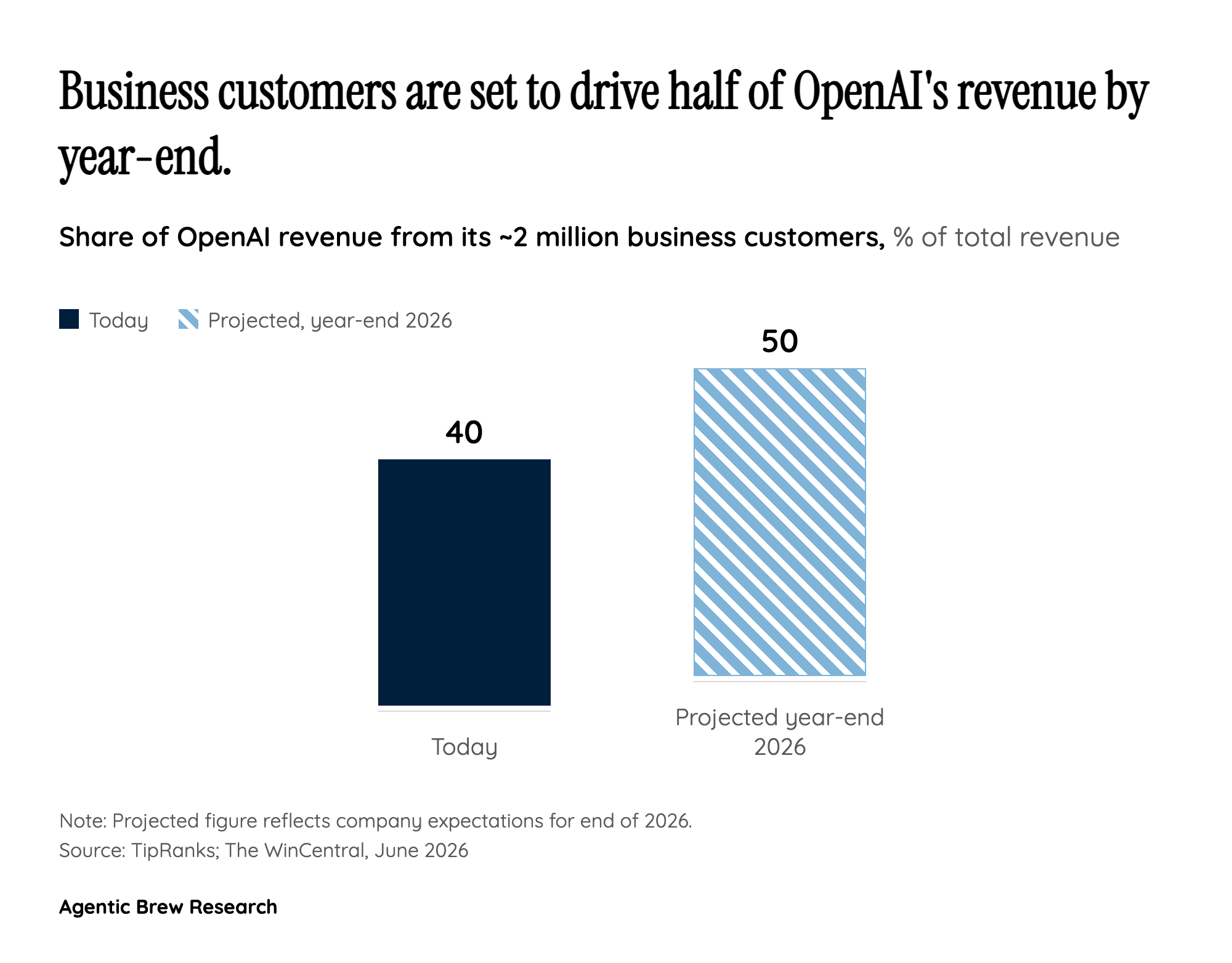
The wager underneath is that value in AI is migrating from conversations to workflows. Codex is the proof point OpenAI is leaning on: it has crossed 5 million weekly users, a roughly 6x jump since launch, and crucially about 1 in 5 of those users are non-developers — analysts, marketers, bankers, designers, and researchers — a cohort growing more than 3x faster than developers [1][9]. The recent Codex update that added role-specific plugins and a Sites feature for building interactive web apps shows the direction: a coding tool reframed as a general-purpose work engine [10]. The superapp is the container designed to surface that engine to the roughly 900 million people OpenAI now wants to convert from casual ChatGPT users into high-compute, paying productivity users.