What 'AI-Fabricated Evidence' Actually Means — And Why It's Hard to Catch
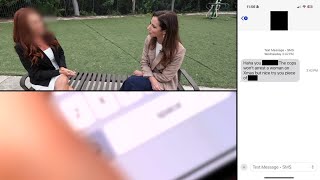
The phrase 'used AI to create evidential material' is deliberately broad, and that breadth is the point. Generative tools now produce realistic synthetic text, messages, images, and video on demand, which collapses the effort needed to manufacture something that looks like a witness statement, a chat log, or a photograph. The Derbyshire allegation reportedly spans a number of cases [1], which suggests the issue is not a single doctored file but a pattern of synthetic material entering case work.
The deeper problem is asymmetry: fabrication has gotten cheap while detection has not kept up. Forensic detection models can lose 45-50% of their accuracy when confronted with deepfakes built using techniques they have not seen before [2], meaning a tool that flags last year's fakes may wave this year's straight through. Legal scholars have pressed exactly this reliability gap — one argues we simply 'aren't at the place right now where we can count on the reliability of the automated tools' [2], and another contends legal AI should face the same rigorous testing humans do before anyone leans on it [2]. When the people inside the system can generate convincing fakes faster than the system can detect them, the burden quietly shifts onto manual scrutiny that most casework was never built to apply.