The ban's real target may be your Roomba, not just Skynet
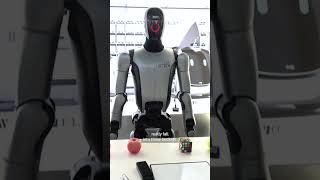
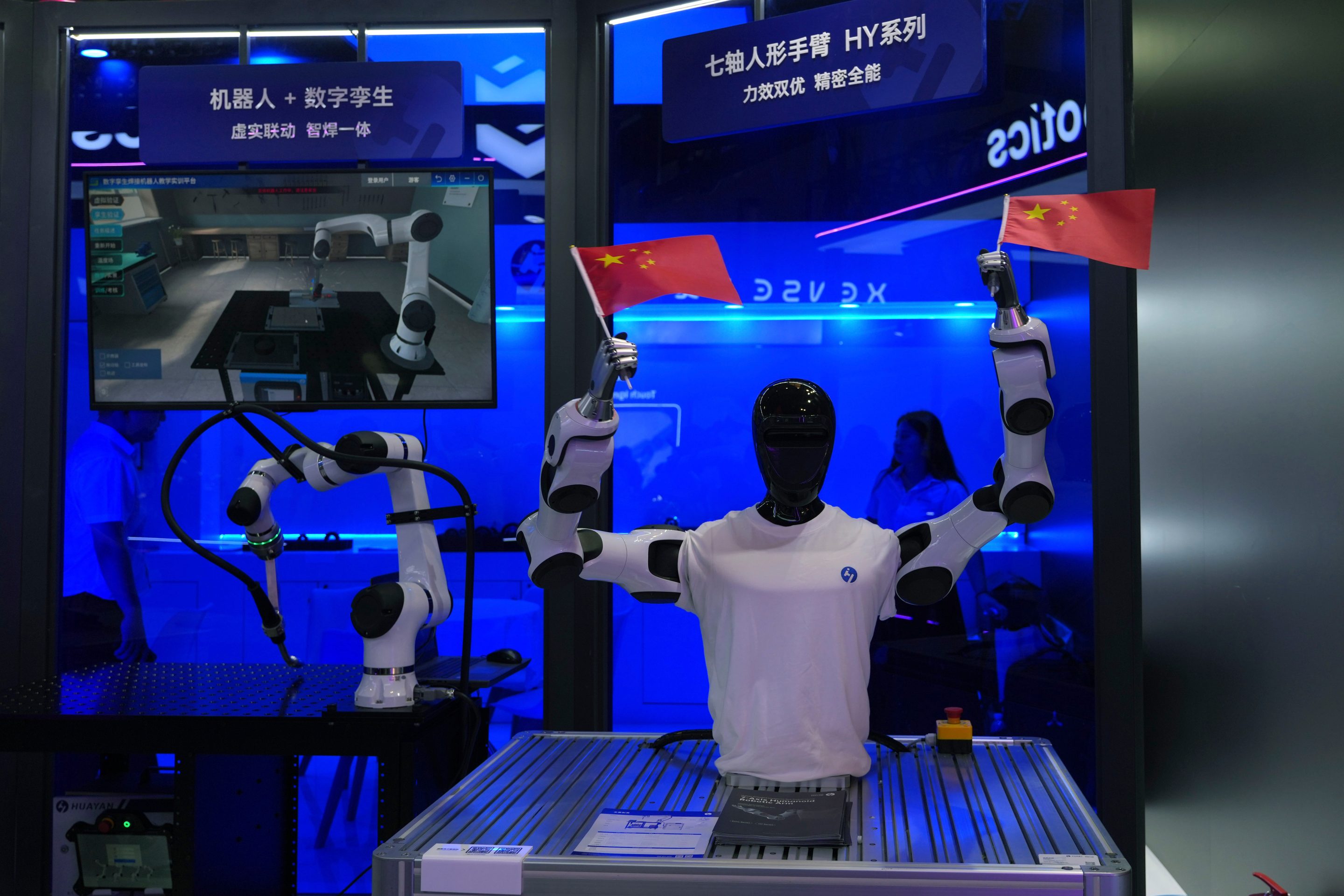
The FCC's July 28-29, 2026 update to its Covered List does far more than block Chinese humanoid robots: it also covers foreign-produced quadruped ("robot dog") systems and, in a separate line item, foreign-produced connected power inverters, following a White House-convened interagency national security review [1]. The agency's stated rationale centers on networked capabilities, arguing that any internet-connected robot can become "extensive vulnerabilities and vectors for attacks" if a foreign government pressures the manufacturer [1]. FCC Chairman Brendan Carr framed the action in supply-chain terms, saying the agency "will continue to do our part to secure America's critical supply chains" [3], while the companies explicitly named as targets - Unitree for robotics and Huawei and Sungrow for inverters - are among the most recognizable brands in their categories [2].
Crucially, the rule is not retroactive: it blocks new device models from getting FCC authorization to be imported, marketed, or sold, but does not reach robots already in circulation or federal government purchases [1]. That distinction got lost in some early reactions, where the ban's framing as a "humanoid robot" story undersold how broad the Covered List category actually is. The FCC defines a covered "advanced robotic device" as a mechanical mobile device capable of ground locomotion away from direct human control, weighing over 4.4 lbs, and carrying both an environmental sensor and network connectivity - with exceptions for self-driving vehicles, aircraft, underwater vehicles, medical and mobility devices, and fixed industrial arms [11]. That definition is broad enough to reach ordinary consumer hardware: an FCC spokesperson confirmed to The Verge that robot vacuum cleaners are covered too, and the same language could extend to connected lawnmowers, sidewalk delivery robots, and mobile machines used inside warehouses [10].