A Branding Order With No New Legal Authority
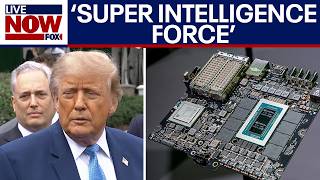
Strip away the headline and the executive order is narrower than it sounds: it instructs agencies to swap the words 'artificial intelligence' for 'super intelligence' in official and public communications, but it does not rewrite a single regulation, contract, grant, or historical document. For now, 'super intelligence' is simply mapped onto the pre-existing statutory definition of AI in Section 9401(3) of Title 15 of the U.S. Code, though the order does direct the administration's science and technology adviser to propose legislative language for a formal 'super intelligence' definition within 60 days [1]. The White House's own framing leans entirely on vibes rather than mechanics, arguing the term 'artificial' undersells what the technology has become since the field was named roughly seventy years ago [2].
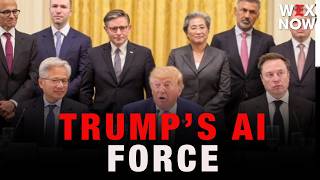
That gap between branding and substance creates a real, if unglamorous, compliance headache. Governance professionals have already flagged that organizations must now track 'SI' in new federal materials while statutes, state laws, and existing contracts keep using 'AI' indefinitely [1]. The timing is also notable: Bloomberg reported the order was signed hours after Trump hosted nearly two dozen Silicon Valley leaders at the White House specifically to discuss AI risks [3], suggesting the rename was assembled quickly as a response to that conversation rather than as the product of a long policy process.