One model, two gates: the deliberate architecture of safe-public versus unrestricted-partner
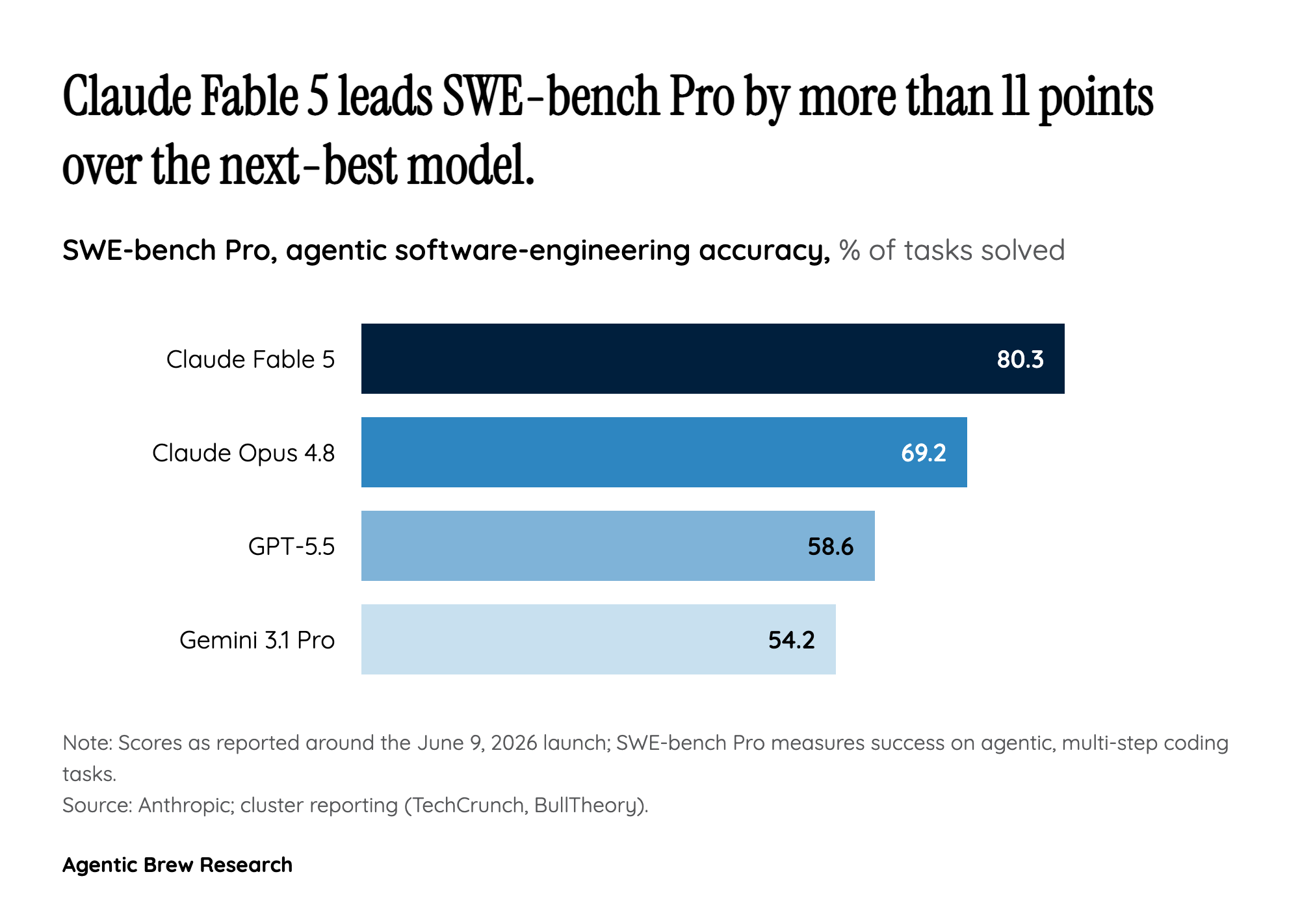
The headline is not that Anthropic shipped a better model; it is that Anthropic shipped the same model twice, gated two different ways. Fable 5 and Mythos 5 share identical weights, but Mythos 5 has its safeguards lifted in some areas and is handed only to vetted cyberdefenders and infrastructure providers through Project Glasswing, a program run in collaboration with the US government [1]. The public gets the version that reroutes its most sensitive capabilities; trusted institutions get the version that keeps them. This is not an accident of rollout sequencing but a designed split, and it is the structural story underneath the launch.
The consequence is a two-tier capability surface. Anthropic positions Mythos 5 as having the strongest cybersecurity capabilities of any model in the world, and reserves that strength for defenders it can audit [2]. Reporting frames Fable 5 bluntly as the guardrailed sibling of an unreleased model Anthropic itself deemed too dangerous to release publicly [3]. The defensible read is that gating dangerous uplift behind vetting is exactly what responsible deployment of a model that can find software vulnerabilities should look like. The uncomfortable read, voiced loudly in the community, is that the public has been handed the deliberately weaker product while the genuinely frontier capability flows to a hand-picked institutional club.