How an Auction Listing and a Meme Turned Into a Cross-Border Police Matter
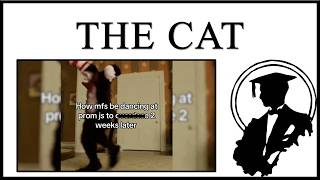
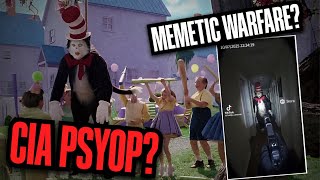
The immediate trigger traces back to a mundane event: an online auction of the original 2003 'Cat in the Hat' film costume put the character back into public conversation, and users combined that renewed attention with consumer-grade generative AI to place a menacing, oversized version of the character into fabricated 'doorbell camera' footage of familiar residential streets. The trick worked because Ring-style security footage carries an implicit stamp of authenticity - grainy, framed like a real alert - and needs only a text prompt to fabricate. Police statements had to explicitly rule out a literal threat: "Fortunately, we can rule out the issue, which is essentially an AI prompt that places the character into images/videos of familiar places" [2].
What made this more than a one-town joke was how fast and far it traveled: sightings piled up across Limerick, Cork, Cahir, Tipperary, Wexford and Dublin in Ireland, and Sheffield and Glasgow in the UK, pulling in Gardai in Wexford, South Yorkshire Police, and Police Scotland, each forced to issue its own public correction [1]. One force summed up the absurdity of having to respond at all: "In an unusual turn of events we are hearing a lot about an illusive Dr Seuss character doing the rounds online" [1]. YouTube commentary tracked the same mechanic from the outside - creators noted the trend borrowed horror-game visual grammar and spread partly through crowd-sourced fictional backstories that got remixed and re-uploaded, turning a single meme into an evolving, self-reinforcing hoax rather than a one-off fake. On Reddit, reaction skewed skeptical and mocking rather than frightened, with commenters drawing the same comparison police themselves were implicitly fighting: this looked like a rerun of the 2016 creepy-clown panic, dressed up in AI production values good enough to fool people who don't stop to check.