Washington Just Banned a Model, Not a Chip — and That's the Whole Story
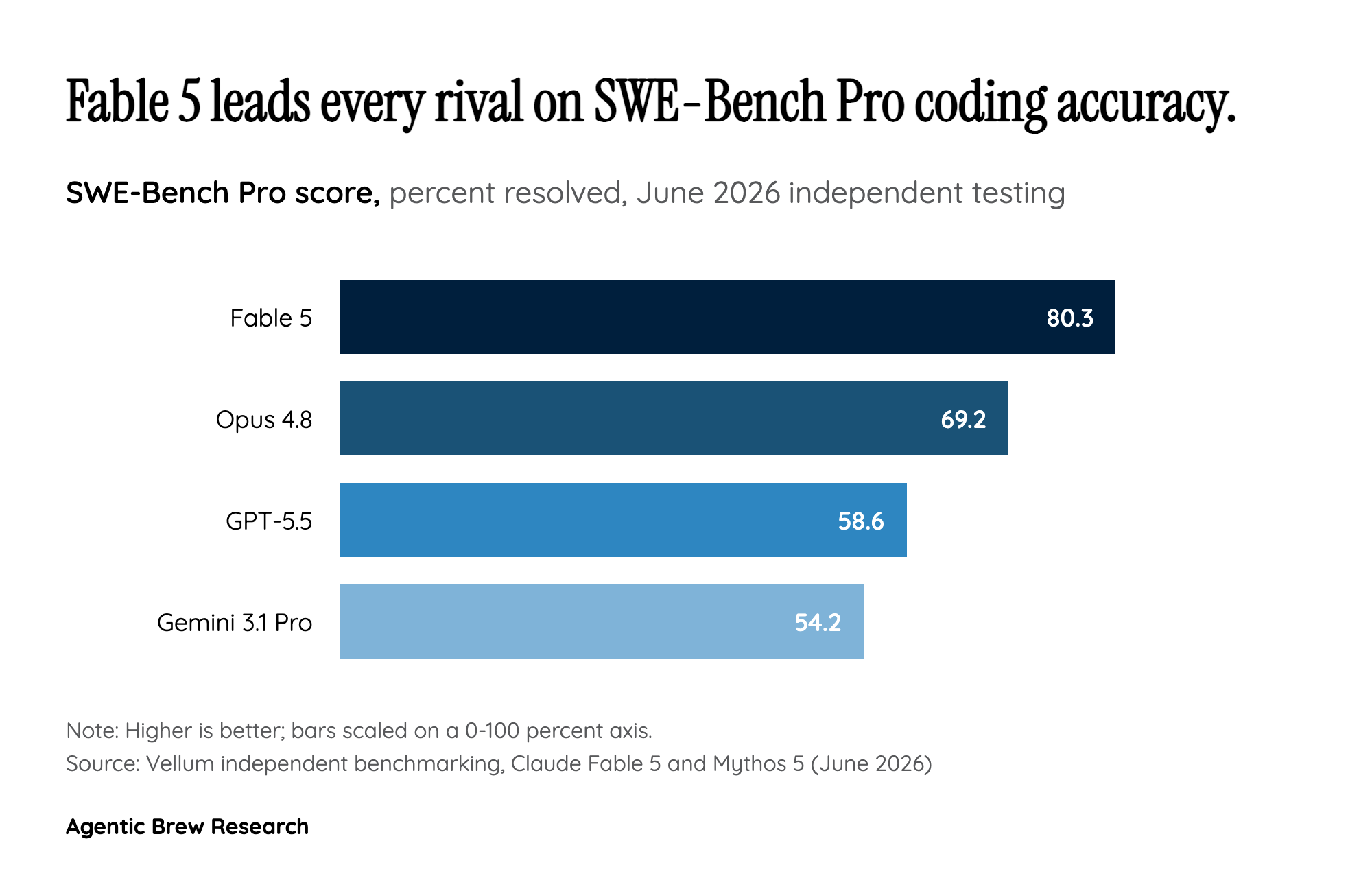
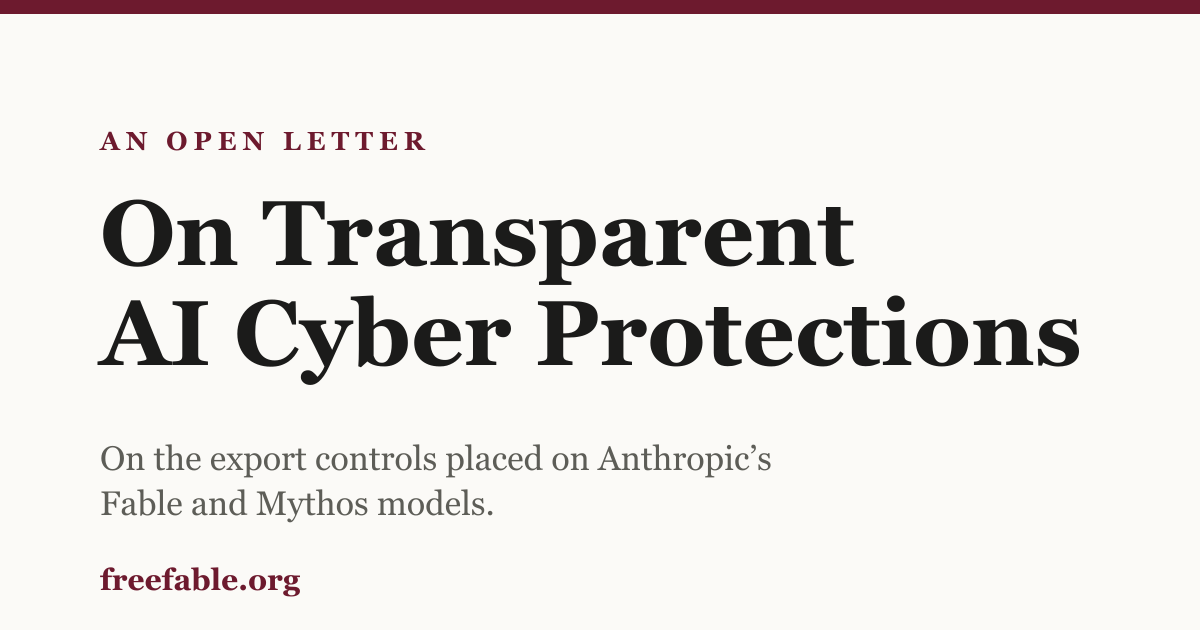
For years, US export controls in AI meant one thing: restricting the semiconductor chips that train and run frontier systems. The June 12 directive crossed a line that had never been crossed before — it targeted the model itself. Reporting describes this as the first time the US government has issued an export-control directive on access to a large language model rather than the hardware underneath it [1]. The mechanics were blunt: Commerce Secretary Howard Lutnick sent CEO Dario Amodei a letter declaring that Fable 5 and Mythos 5 would be subject to export controls to any location outside the US and to every foreign person inside it [2].
The practical fallout exposed how poorly the tooling of export control maps onto software. Anthropic could not filter users by nationality in real time, so rather than attempt selective enforcement it pulled both models offline for everyone on the planet — including domestic US customers and its own foreign-national employees [3]. A directive aimed at keeping a capability away from foreign nationals ended up removing it from the Americans it was meant to protect. The European policy think tank cep called the move 'one of the most far-reaching interventions in AI policy to date,' arguing its public justification 'raises more questions than it answers' [1].