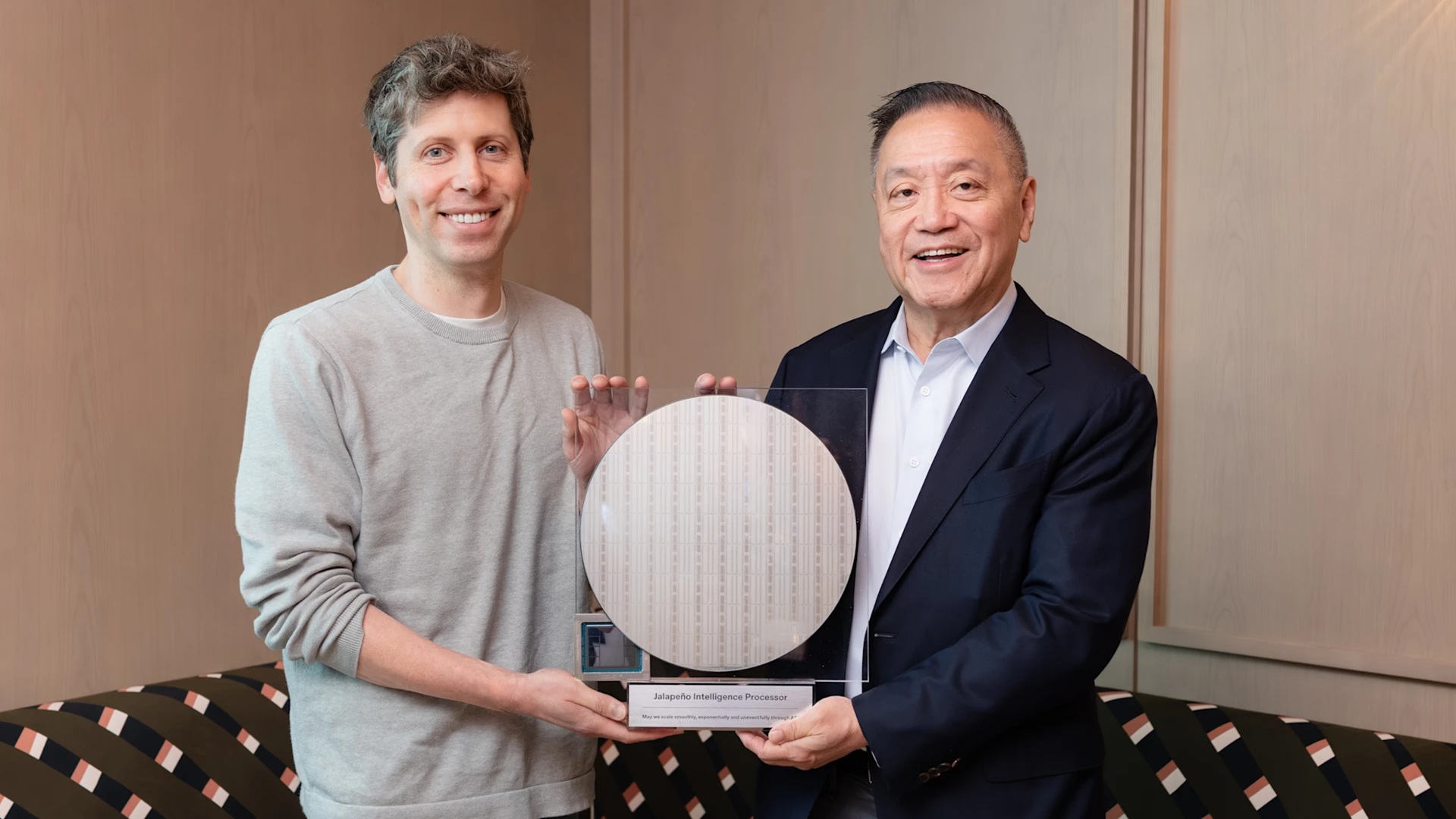
The real breakthrough is the design loop, not the die
Jalapeño went from initial design to manufacturing tape-out in about nine months, which OpenAI and Broadcom describe as the fastest cycle ever for a high-performance advanced semiconductor [2]. The mechanism behind that speed is what several outlets flag as the bigger story: OpenAI used its own AI models to accelerate portions of the chip design and optimization workflow [1]. President Greg Brockman framed the intent as targeting underserved workloads with deep domain knowledge - 'We have a deep understanding of the workload. We've really been looking for specific workloads that are underserved, [and asking] how can we build something that will be able to accelerate what's possible?' [1]- and told reporters the degree to which the models compressed the timeline was surprising. EE Times argued the design-AI feedback loop, not the accelerator itself, is the real sizzle [6]. The implication is a flywheel: better models help design better silicon, which runs the next models cheaper. The chip is also built to be model-flexible, working across all LLMs rather than just OpenAI's own [4].