The 'it actually works - but only half of it' verdict
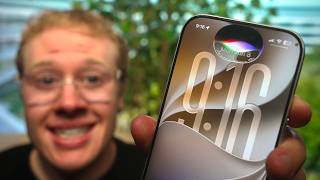
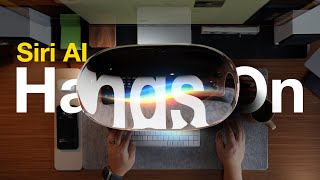
The dominant story of the iOS 27 public beta is a split screen. On one side, the personal-context layer that Apple spent two years promising genuinely delivers: hands-on demos show Siri recalling a water-bottle brand mentioned in a chat weeks earlier, surfacing a driver's license number buried in a 40,000-photo library, and pulling an exact repair quote out of old messages. AppleTrack's takeaway was blunt - Apple has actually fixed Siri, and it can now answer questions reliably about nine times out of ten. Social sentiment ran positive-to-impressed on the same theme, with Apple watchers surprised that the assistant simply works this time.
On the other side, the action layer is still half-built. The same reviewers who praised recall watched Siri fail to create a Freeform board or add a page to a document, with AppleTrack concluding that the other 50% of Siri still isn't done. Bloomberg's Mark Gurman found the assistant functional at moving calendar appointments and creating events from on-screen emails, yet judged none of it remarkable for anyone who has used a modern AI assistant, placing Siri roughly where ChatGPT, Claude, and Gemini were about six months earlier [8]. MacRumors' hands-on testers were harsher, calling the functionality ridiculously limited next to those rivals and flagging poor auto-correction [4]. The consensus is not that Siri is bad - it is that Apple shipped the easy, impressive half and left the hard, agentic half for later.