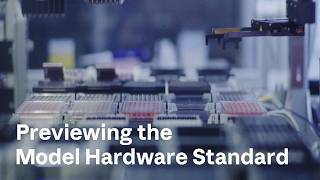
Inside the Driver Layer: How MHS Actually Works
MHS standardizes physical-hardware integration through a driver layer that translates between a computer's operating system and a device using simple primitive commands - read and write - plus discovery, natural-language device tags, and reference files that spell out safety limits and operational parameters before an agent ever touches the equipment [1]. That structure lets an agent enumerate what is connected and what it is allowed to do first, then act. Once a device is described this way, agents can drive it through any of three paths - the Model Context Protocol, a command-line interface, or direct code and API calls - and because the standard itself is model-agnostic, any LLM harness can use it, not only Claude [2]. Anthropic is treating this as the physical-world counterpart to its 2024 Model Context Protocol launch: the company's Jonah Cool has said research often stalls not for lack of ideas but because the equipment can't be used, and technical staff member Alek Kemeny has framed MHS as kind of like the USB for AI to software connection [4]- the same unifying pitch MCP made for software, now aimed at lab instruments, robotic arms, and manufacturing hardware that previously required specialists to write bespoke, incompatible integrations for each vendor [1].