Two Public Wealth Funds, one name, completely different mechanics
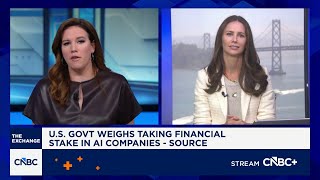
The most under-reported wrinkle in the equity-stake debate is that there are now two competing 'public wealth fund' proposals attached to AI — and they share almost nothing beyond branding. OpenAI's April 2026 policy paper, which provides the intellectual framing for the current White House talks, proposes that AI labs voluntarily donate equity to a federally-managed Public Wealth Fund so 'every citizen — including those not invested in financial markets — gets a stake in AI-driven economic growth' [2]. The mechanism is opt-in, the donating firms retain operational control, and the size of the citizen benefit depends on how generously each lab decides to participate.
Sen. Bernie Sanders' American AI Sovereign Wealth Fund Act is the structural inverse. It would impose a one-time 50% equity tax — paid in shares, not cash — on OpenAI, Anthropic, xAI and other large AI firms, instantly handing the federal government a controlling-adjacent stake whether the labs consent or not [3][4]. Sanders frames it bluntly: 'When a public resource generates wealth, the public should share in that wealth' [4]. The Trump conversation Altman pitched in 2025 sits closer to the voluntary OpenAI model, but the political pressure that makes it conceivable in 2026 comes substantially from Sanders' mandatory one. That's why Anthropic's June 2 confidential IPO filing matters: it is a clear signal that at least one frontier lab is willing to pay the political cost of staying outside both versions of the fund and pursue ordinary public-markets capital instead [5].