Outcome-Only Scoring Is Hiding Failure
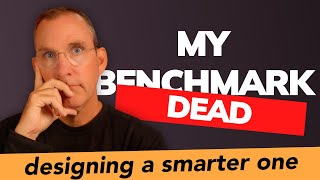
CXBench found process-compliance failures are rampant even when outcomes look fine: 55.5% of retained executions across seven models were false-passes - they looked successful by outcome but violated the required process - and only 13.8% passed both outcome and process checks [1]. That gap mirrors a broader distrust of benchmark results surfacing across builder communities this month. Researchers posting new evals have been framing their work around whether companies can even tell if their agents are genuinely improving. A widely discussed talk described agent evals as broken in two separate ways: fragmented across more than ten new benchmarks released daily, and poorly verified, pointing to a case where a rival lab's undisclosed prompt-compaction trick inflated its score on a reused benchmark. Elsewhere, practitioners have been dissecting 'citation theater' - correct-looking answers that aren't actually grounded in the retrieved text used to produce them - and arguing that benchmarks where top models clear 80% or sit under 10% stop measuring anything meaningful - one builder's own planning benchmark illustrates how fast this happens: it climbed from a 50-60% success rate to 98% within a year as frontier models improved, pushing him to redesign the test around intent-preservation rather than literal task completion. None of these threads are isolated complaints; they converge on the same diagnosis CXBench quantifies directly - a passing score and a trustworthy agent are not the same thing.