A Verdict That Arrives Seven Months Too Late
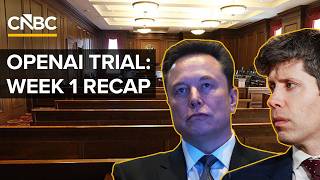
The most jarring fact about Musk v. Altman is the calendar. The trial is asking a nine-person federal jury whether OpenAI breached its charitable trust by becoming a for-profit — but OpenAI already became a for-profit. The October 28, 2025 recapitalization closed: OpenAI Group PBC now exists, Microsoft holds a 27% stake valued at roughly $135B, and the OpenAI Foundation owns equity worth roughly $130B in the new entity [1]. A Musk-favorable outcome would not block a deal; it would unwind one that has already moved more than a quarter of a trillion dollars in paper value.
That is what gives Musk's request for structural remedies real teeth — and why his lead counsel Steven Molo, in closing, asked jurors not just for damages but for 'justice' in the form of ousting Altman and Brockman and returning 'ill-gotten gains' to an OpenAI foundation [2]. Layered on top is OpenAI's planned ~$1 trillion IPO, which depends on the PBC structure standing [3]. If the advisory jury sides with Musk and Judge Yvonne Gonzalez Rogers follows them, the financial centerpiece of the AI industry's last twelve months could be partially rewound in court — a scenario AI safety attorney Vivian Dong notes 'would be unprecedented for a court to order structural changes to OpenAI in a private breach of charitable trust suit' [4].