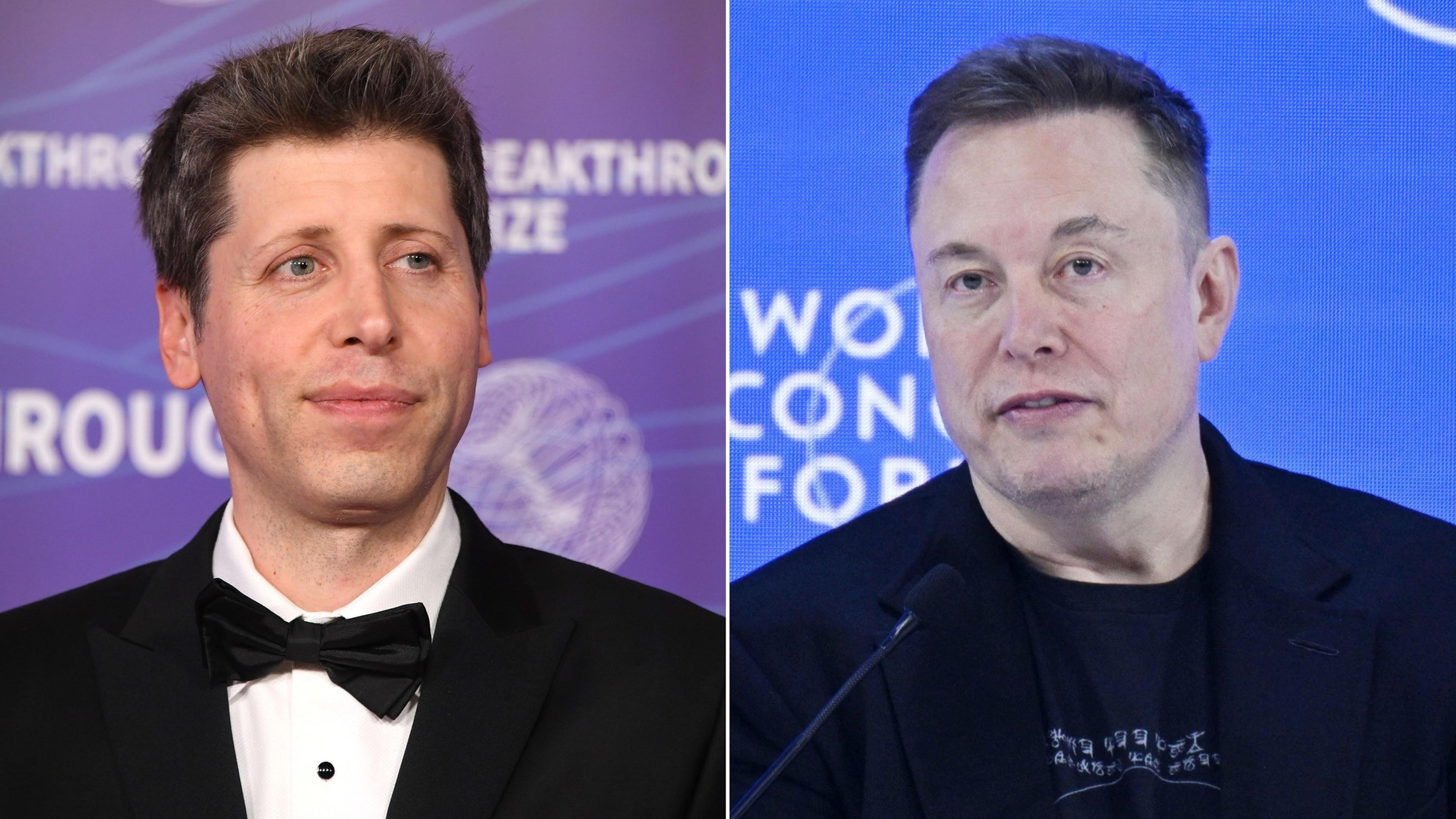
A Trial With No Verdict: The Procedural Setup Most Headlines Miss
Strip away the spectacle and this is a strangely quiet trial. Judge Yvonne Gonzalez Rogers has structured the case so the jury issues only an advisory verdict — meaning whatever twelve Oakland residents decide about Sam Altman's character, Greg Brockman's diary, or Elon Musk's billions, the binding ruling comes from the judge alone. That single procedural choice reframes the next three weeks: opening statements about 'stealing a charity' play to the courtroom, but the real audience is one federal judge who has already admonished Musk to stop posting about the case on X.
The legal terrain has also narrowed sharply. Musk filed 26 claims in his amended November 2024 complaint; only two reached the courtroom — unjust enrichment and breach of charitable trust. Fraud, the most emotionally loaded count, was dropped just days before opening statements. That is not a confidence move. It signals Musk's team could not clear the higher evidentiary bar fraud requires (intent to deceive at the time of the original donations) and chose instead to fight on equitable doctrines that hinge on whether OpenAI's nonprofit purpose was effectively diverted, regardless of intent. Several legal scholars are skeptical the case should be in this court at all: Northwestern's Jill Horwitz publicly questioned whether a former donor has any standing to sue, arguing such enforcement traditionally belongs to state attorneys general, while UCLA's Rose Chan Loui has called out the court for using trust law instead of nonprofit-corporation law to evaluate what is, by structure, a Delaware corporation. Both critiques cut at the foundation of the case before any evidence is weighed.