How one Thursday-morning phone call killed a year of policy work
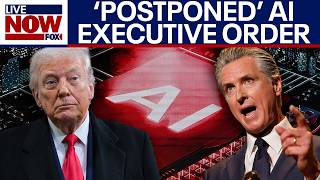
The mechanics of the kill are tighter than the headlines suggest. The signing ceremony was already on the Oval Office schedule. Anthropic's Dario Amodei had been invited (though he indicated he couldn't attend) [1]. OpenAI's policy team — led by chief lobbyist Chris Lehane — had spent months negotiating the language and was broadly supportive of collaborating on safety [1]. The draft order, leaked in full to Gizmodo, ran several pages and explicitly disclaimed any mandatory licensing: 'Nothing in this section shall be construed to authorize the creation of a mandatory governmental licensing, preclearance, or permitting requirement for the development, publication, release, or distribution of new AI models, including frontier models' [2].
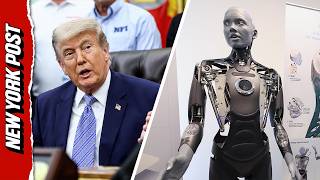
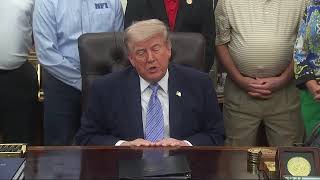
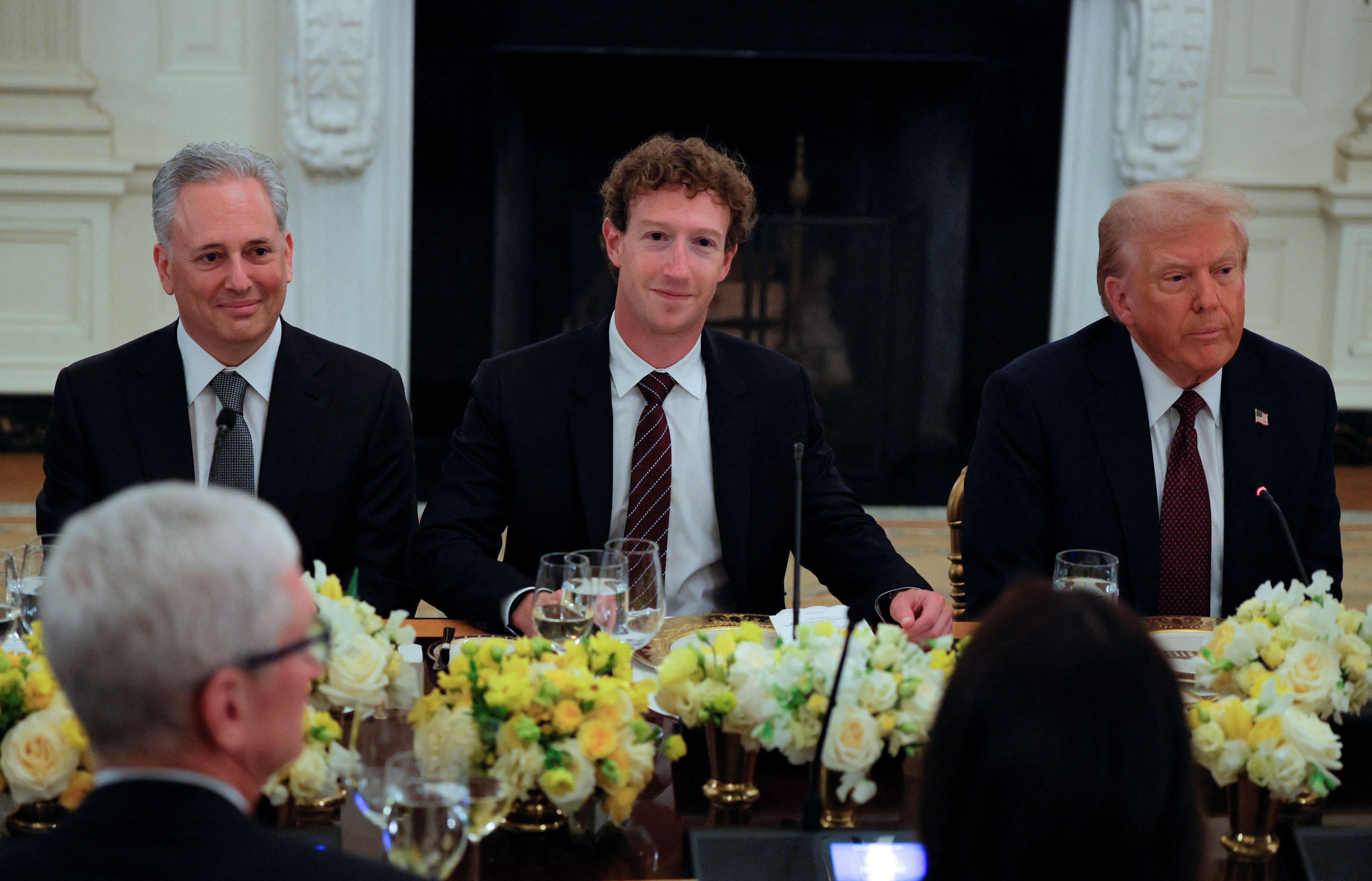
Then, between Wednesday night and Thursday morning, David Sacks — Trump's AI and crypto czar — called the president directly. Elon Musk called. Mark Zuckerberg called [3]. Sacks's argument, according to reporting in Axios and Fortune, was a slippery-slope one: even a voluntary vetting framework would create the procedural muscle for a future Democratic administration to convert it into a mandatory licensing regime [4][5]. Trump pulled the ceremony hours before it was to occur. His own explanation on camera was simpler: 'I didn't like certain aspects of it. I postponed it' [4], paired with the competitiveness frame — 'We're leading China, we're leading everybody, and I don't want to do anything that's going to get in the way of that lead' [6]. Susie Wiles, the White House Chief of Staff, reportedly told colleagues the president was not in the business of picking winners and losers [5]. A weak photo op (CEOs invited only ~24 hours before the ceremony, many declining) reportedly compounded Trump's annoyance [1]. Three calls, one bad invite list, one year of interagency work scrapped.