The Political U-Turn: From Supply-Chain Risk to Indispensable Vendor
Seven weeks before this meeting, Defense Secretary Pete Hegseth formally labeled Anthropic a national-security supply-chain risk, a designation usually reserved for Chinese telecoms and sanctioned hardware vendors. Anthropic sued. A district court granted a preliminary injunction on March 26. An appeals court reversed that order on April 8, preserving the Pentagon's right to blacklist the company while letting other agencies keep using Claude. By any normal reading of Washington politics, this is a company the administration has decided not to do business with.
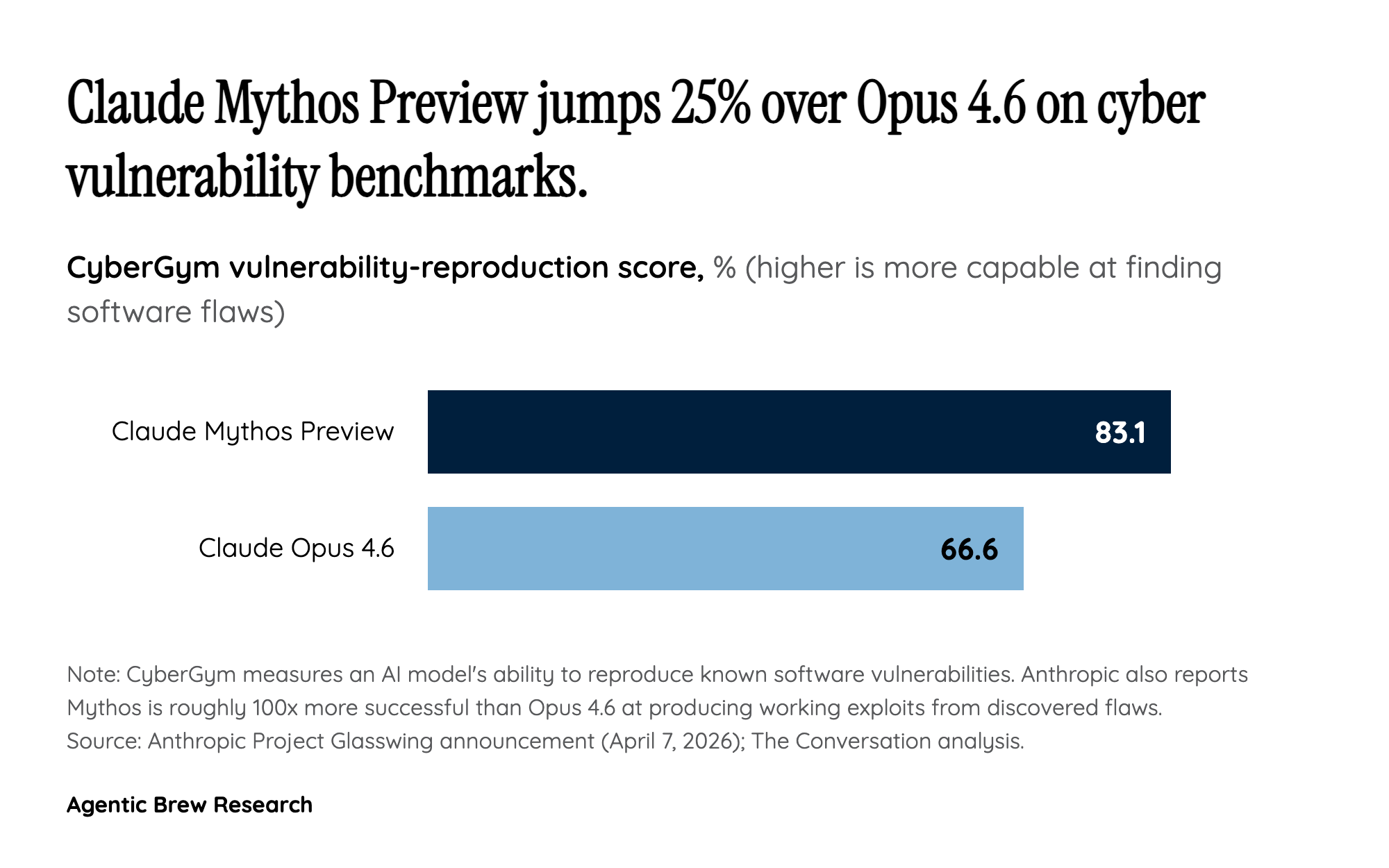
Yet on April 17, the Chief of Staff of the White House is sitting across from Dario Amodei. The reason is Mythos. The UK AI Security Institute has publicly concluded the model is substantially more capable at cyber offence than anything it has previously assessed, and David Sacks, the White House AI and Crypto Czar, has urged the administration to take it seriously. The practical question for the Trump team is no longer whether Anthropic's corporate values align with Pentagon use policies; it is whether the US government can afford to be the only major power without access to a Mythos-class tool while adversaries develop their own. That inversion, from blacklist to bargaining table in under fifty days, is the political story here, and it is driven almost entirely by a single capability jump.