Why This Matters
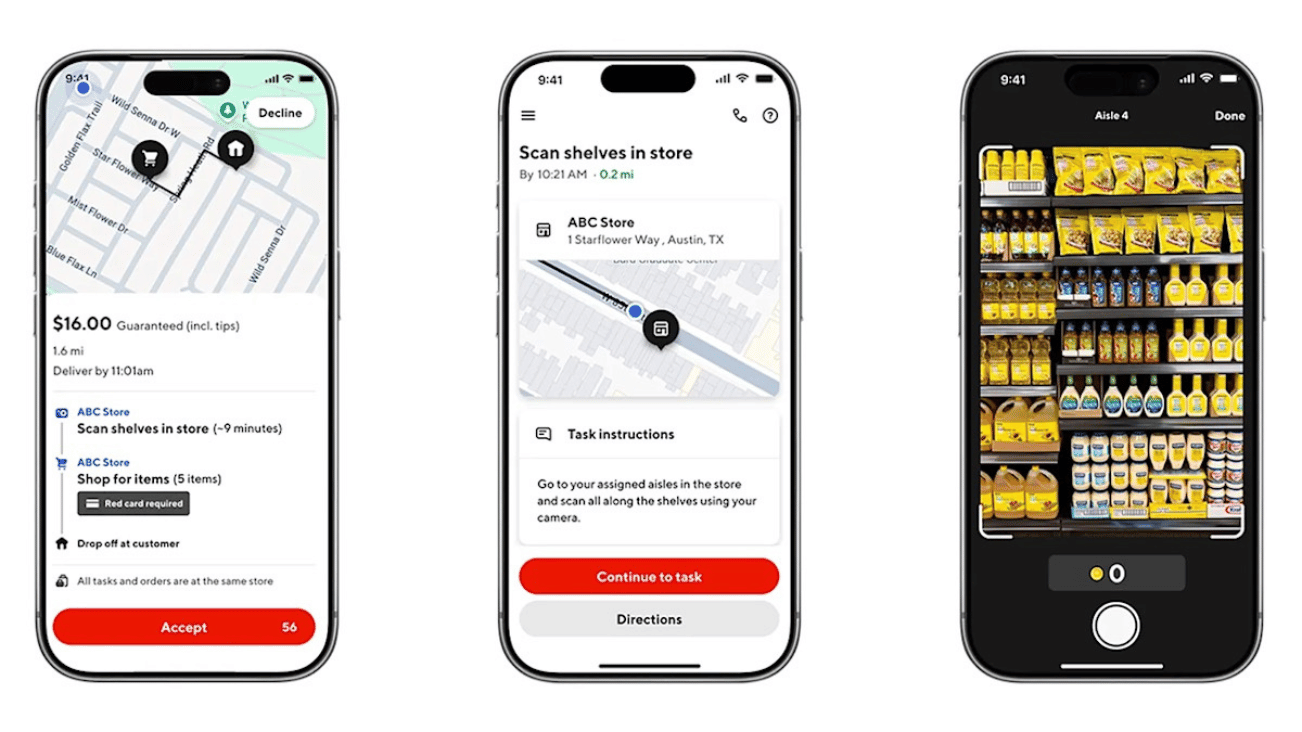
DoorDash's launch of the Tasks app represents a fundamental shift in how AI training data is sourced. Rather than relying on specialized data annotation firms or scraping publicly available content, DoorDash is leveraging its existing network of 8 million gig workers to generate real-world, egocentric video and audio data at a scale that no traditional data vendor can match. This approach transforms the company from a pure delivery logistics platform into a distributed AI data infrastructure provider, potentially reshaping the competitive dynamics of both the gig economy and the AI training data market.
The timing is significant. As AI models — particularly those powering embodied AI and robotics — increasingly require real-world physical data rather than synthetic or internet-scraped content, the companies that control large, geographically distributed human workforces gain a structural advantage. DoorDash's move signals that gig economy platforms may become critical infrastructure for the next wave of AI development, creating a new category of 'platform-as-data-pipeline' businesses that monetize their human networks for machine learning purposes.