Why This Matters
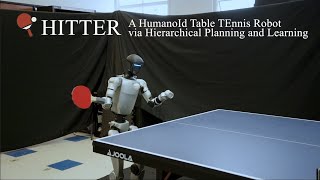
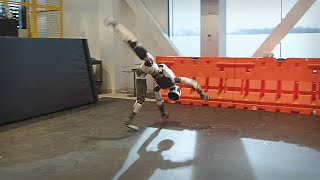
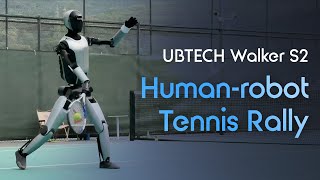
The ability for humanoid robots to learn athletic skills from human motion data represents a fundamental shift in how we approach robot control. Traditional robotics relied on hand-crafted controllers painstakingly tuned by engineers for each specific movement. The new paradigm, exemplified by LATENT and OmniXtreme, treats human movement as training data that robots can learn from directly, much as large language models learn from text corpora. This has profound implications because humans generate vast quantities of motion data every day, from sports broadcasts to smartphone videos.
What makes LATENT particularly significant is its ability to work with imperfect, fragmented motion clips rather than requiring pristine motion capture data. Real-world human motion data is messy: it contains occlusions, noise, missing segments, and varying quality. By developing methods that tolerate these imperfections, researchers have dramatically expanded the pool of usable training data. This is analogous to how modern LLMs learned to extract value from noisy internet text rather than requiring curated datasets. The practical consequence is that athletic robot training could eventually leverage the millions of hours of sports footage already available, rather than requiring expensive dedicated motion capture sessions.