The Death of Singapore-Washing
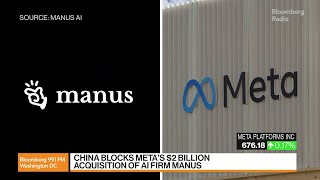
For a generation of Chinese tech founders, the offshoring playbook was almost mechanical: shutter the Beijing office, delete the Weibo account, replace mainland investors with foreign capital, reincorporate in Singapore or the Caymans, and emerge as a 'global' company free to court Western buyers. Manus executed that script with unusual completeness — by mid-2025 it had closed its Wuhan and Beijing offices, deleted its Chinese social presence, laid off staff outside the core team, and pledged at deal-announcement time that there would be 'no continuing Chinese ownership interests.' On paper, by the time Meta arrived in December 2025, Manus was a Singapore company with foreign investors. The NDRC's veto says, in effect, that paper no longer matters.
The analyst class read the message immediately. Duncan Clark of BDA China put it bluntly: 'Clearly after Manusgate, founders will know that if you start in China, you stay in China.' NYU's Winston Ma sharpened the point — Beijing's deeper concern is not the AI products themselves but 'whether China-origin strategically sensitive technologies — and the data and talent behind them — are effectively transferred offshore by corporate restructuring in Singapore.' On Reddit's r/singapore, the dominant emotion was anxiety that 'Singapore-washing' could damage Singapore's reputation as a neutral hub, with commenters circulating Insignia Ventures' Tan Yinglan's new red lines: no Chinese passport, no Chinese engineers, no Chinese data — HQ alone is meaningless. The first formal use of China's late-2020 foreign-investment security review measures was less about Manus and more about every Chinese AI founder watching from Beijing right now.