Why a Phone, Not Glasses: The Real-Time State Argument
Kuo's core thesis is mechanical, not romantic: the smartphone is the only device that already captures a user's continuous real-time state including location, activity, communication, and context. An AI agent that can book, message, navigate, and reason on your behalf needs every one of those signals, and it needs them with OS-level permissions rather than through a sandboxed app.
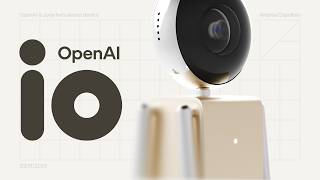
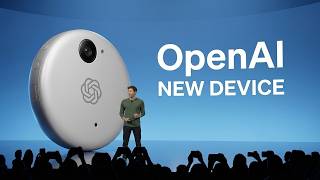
That framing reorders the hardware roadmap. The Jony Ive io track will ship a smart speaker with a camera in late 2026 or early 2027, but a stationary speaker cannot watch your calendar fill, your location drift, or your messages arrive. The smartphone is the substrate where agentic AI compounds, which is why OpenAI is willing to spend until 2028 to own one rather than settle for a screenless companion. The custom-silicon priorities reported, power consumption, memory hierarchy management, and small-model execution, all map to one design constraint: keep an agent persistently aware on-device without melting the battery, and escalate to cloud only when the task warrants it.