One Night, Two Targets: The Premeditation Hidden in the Timeline
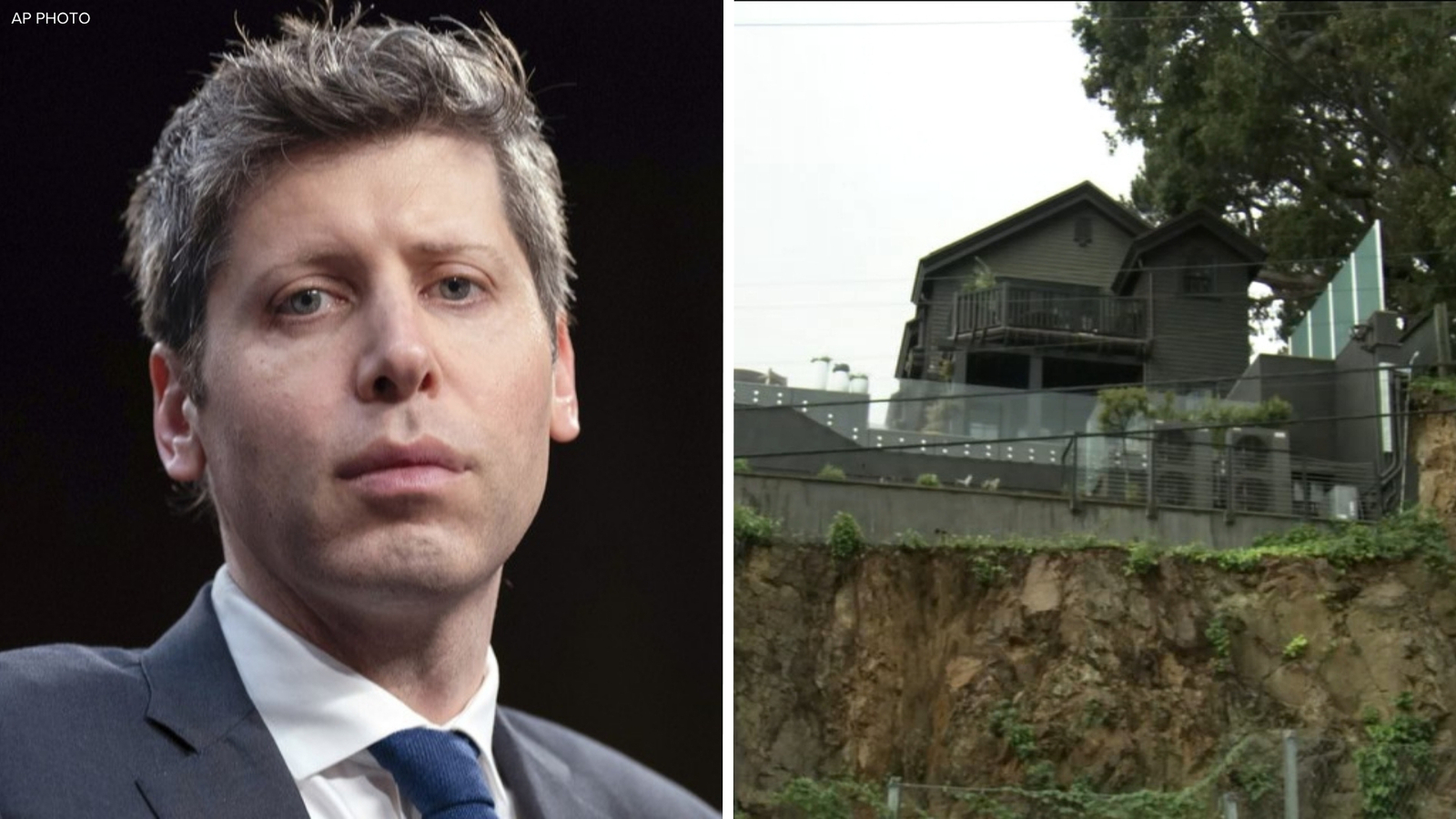
The 80-minute gap between the Molotov cocktail thrown at Altman’s home and the suspect’s appearance at OpenAI’s Mission Bay headquarters is the most underreported element of this story. This was not a spontaneous act of rage that escalated — it was a sequential operation. The suspect traveled from Russian Hill to Mission Bay, arrived at the corporate headquarters carrying a jug he claimed contained kerosene, and made explicit threats to burn the building down. The fact that he was arrested on scene at the second location suggests either a failure of operational awareness on his part or a deliberate willingness to be caught after completing what he viewed as a mission.
This sequential structure matters enormously for how authorities classify the incident. SFPD investigators are publicly weighing three possible motive categories — mental health crisis, disgruntled former employee, and domestic terrorism — and the timeline is the key variable in that determination. A purely impulsive actor does not typically travel to a second target with a new incendiary threat prepared. The FBI’s involvement alongside SFPD, and the DA’s consideration of federal charges, reflects this ambiguity: the behavioral pattern fits more than one legal framework, and the charge of attempted murder on top of arson and criminal threats signals that prosecutors are preparing for the most serious interpretations.