The CarPlay Trade: Why GM Is Buying an LLM Instead of Keeping Your iPhone
On paper, the headline is a voice-assistant upgrade. In practice, GM has just drawn a line under one of the most contested decisions in modern automotive product strategy: the move to drop Apple CarPlay and Android Auto on new vehicles in favor of a first-party stack. The Gemini deployment is the proof point that the replacement actually exists. Four million model-year 2022 and newer Cadillac, Chevrolet, Buick, and GMC vehicles will, over the next several months, get a conversational LLM piped through OnStar — exactly the kind of rich, contextual experience that CarPlay defenders said only a phone could deliver.
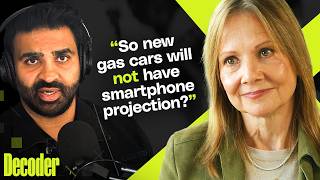
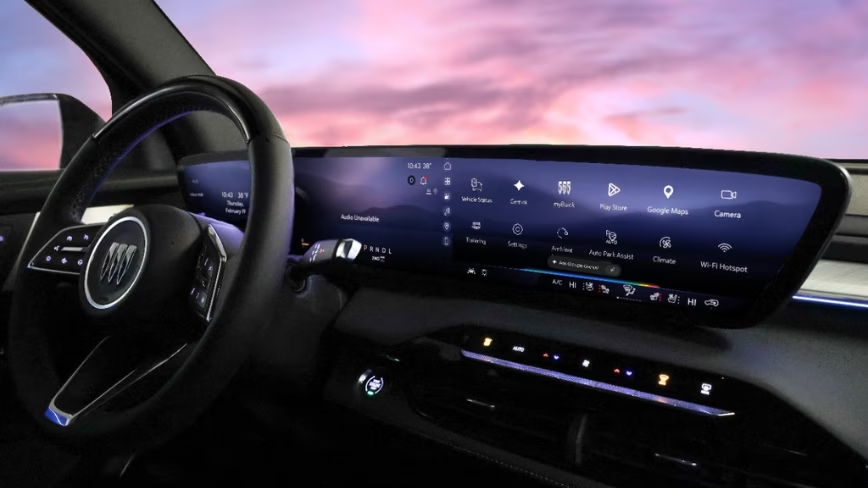
The mechanism matters. By owning the head unit, the assistant identity, and the OnStar telemetry layer, GM also owns the customer relationship and the data flowing through it. Phone projection makes the OEM a glass holder for someone else's software; an Android Automotive build with Google built-in plus Gemini makes Google a tenant in GM's house rather than a landlord. In a Decoder interview, GM CEO Mary Barra and new Chief Product Officer Sterling Anderson positioned Gemini as the first beat in a multi-year arc that culminates in an entirely new GM hardware/software platform debuting on the 2028 Escalade IQ alongside Level 3 autonomy. The CarPlay rejection isn't a feature cut — it's the precondition for that platform existing at all.