The Hardware Bet: Why Apple Is Answering an AI Problem With a Silicon Engineer
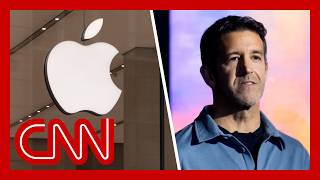
On paper, John Ternus is a strange choice for the moment. Apple is visibly behind in generative AI — its upgraded, large-language-model-powered Siri has slipped, and reporting has the company leaning on Google's Gemini (Google's family of foundation models) to close the gap. The obvious response to a software problem is a software CEO. Apple did the opposite: it handed the company to the mechanical engineer who shipped Apple Silicon and the Vision Pro headset, and elevated chip chief Johny Srouji to Chief Hardware Officer right alongside him.
Read in context, the choice is actually an argument about where the AI race gets won. Apple's thesis, as Forrester's Dipanjan Chatterjee put it, is that it will 'seek differentiation in its physical products even as it looks to reframe the device as a substrate for intelligent experiences.' In other words: the iPhone, the Mac, the Watch, and whatever AI-native form factor comes next are the moats — not the chatbot. If inference is going to move on-device for latency, privacy and cost reasons, then the company that owns the chip, the thermal envelope, and the industrial design has structural advantages a model-only competitor cannot replicate. Promoting the person who built that stack, instead of a services or AI executive, is Apple telling the market where it thinks the fight actually is.